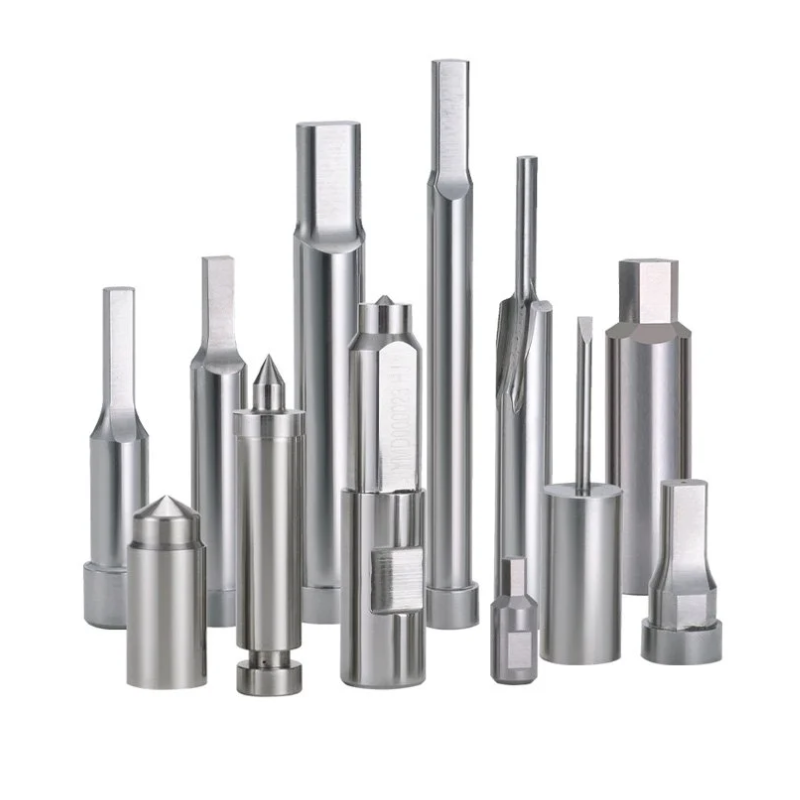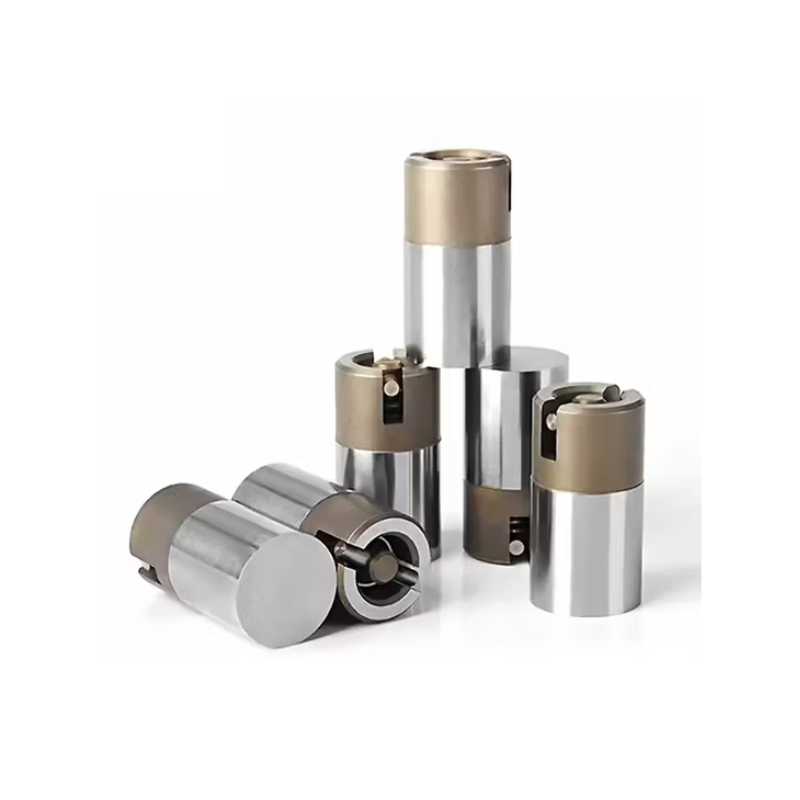
Choosing the right punch material directly affects tool life, part quality, and production cost. The wrong material can chip, wear out rapidly, bend, or crack—and each failure mode calls for a different material solution. This guide explains how to match punch material to your specific failure mode and working conditions, so you can stop replacing punches and start solving the root cause.
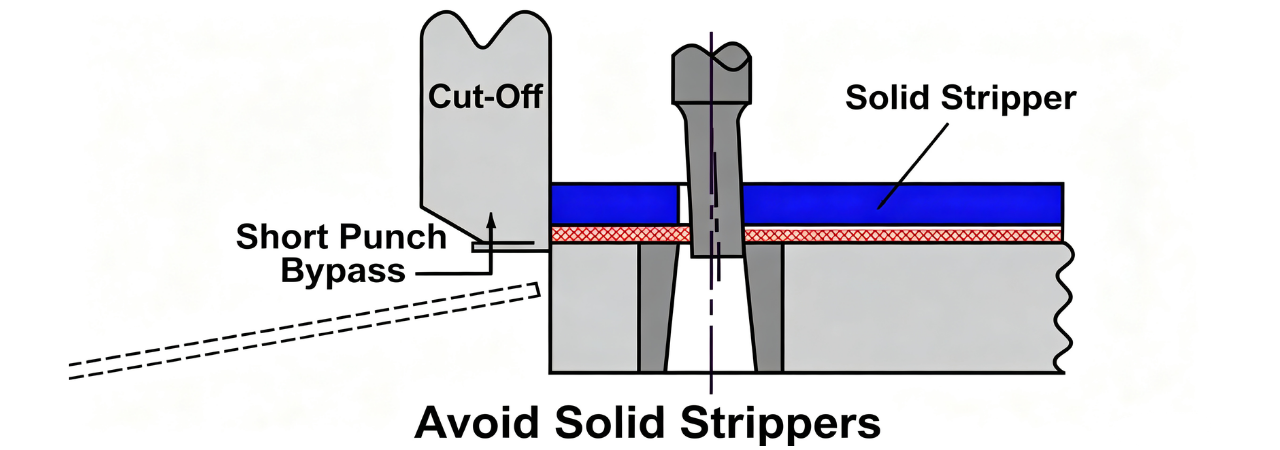
What Happens When the Wrong Punch Material Is Used?
Incorrect material selection is one of the most common causes of premature punch failure. Before choosing a grade, identify which of these four failure modes matches your situation—each one points to a different material solution.
1. Chipping or Edge Breakage
Chipping is a toughness problem. The material is too brittle for the impact load. It happens most often on carbide punches used in shock-loaded operations, or on HSS punches that were hardened too high.
Solution: Switch to a tougher material or reduce hardness slightly. If you are using carbide and seeing chips, consider HSS. If you are already using HSS, check whether the hardness is too high for the application.
2. Rapid Wear
Rapid wear is a hardness problem. The punch tip erodes quickly, loses its edge, and produces burrs on the workpiece. It is common with abrasive materials such as glass-filled plastics, stainless steel, or high-strength alloys.
Solution: Move up in wear resistance—from HSS to carbide, or from standard carbide to finer-grain or coated carbide. A carbide punch can last several times longer than HSS in abrasive applications, provided the load is not too high.
3. Bending or Deflection
Bending is primarily a geometry problem, though material stiffness plays a minor role. Most often the punch is too long and slender for its diameter, and no material change will fix a poorly supported punch.
Solution: Reduce unsupported length, increase body diameter, or use a stepped punch with a larger supporting section. Material change is secondary here.
4. Fatigue or Thermal Cracking
This failure mode appears in high-cycle or high-temperature operations. The punch looks fine one day and suddenly cracks because the material was slowly accumulating damage.
Solution: Choose a material with better fatigue resistance or thermal stability. HSS grades are usually better than standard tool steels for this. For extreme cases, consider a powder metallurgy grade or a specifically designed HSS punch.
Common Punch Materials Compared
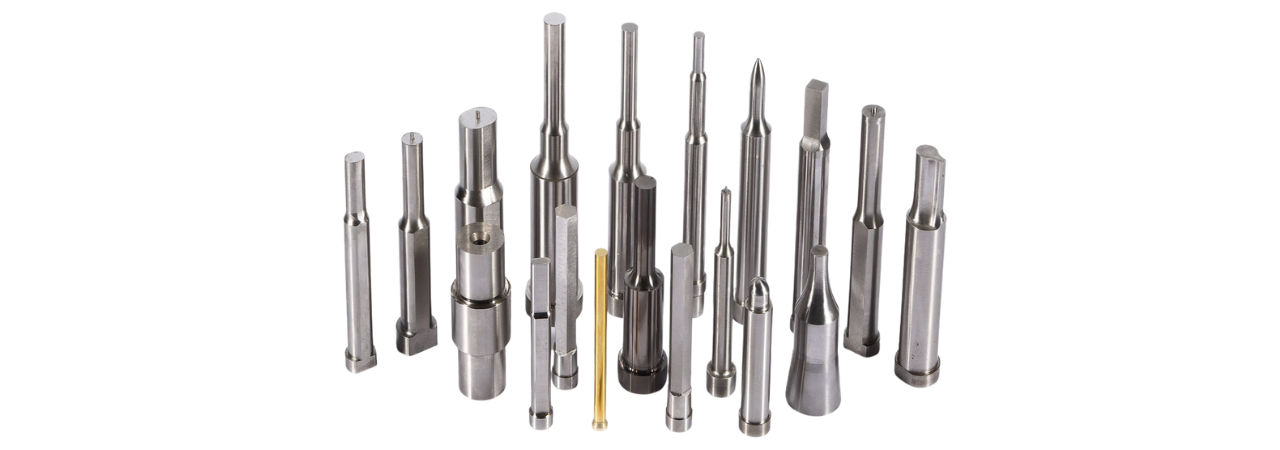
There is no single best punch material. Each grade solves a different set of problems, and the right choice depends on your failure mode, workpiece material, and production volume. Below are the four material groups we see most often in tooling rooms, with practical guidance on when each one makes sense.
HSS Punches (SKH51, M2, M42)
High-speed steel is the default punch material for most stamping operations. It offers a good balance of toughness and wear resistance, handles shock loads well, and is more forgiving than carbide when alignment or clearance is not perfect.
M2 is a general-purpose grade suitable for mild steel and moderate production runs. M42 contains cobalt, which improves red hardness and wear resistance at higher temperatures—useful for harder workpiece materials or higher-speed operations. SKH51 is a common Japanese grade with properties similar to M2.
When to choose HSS: You need toughness more than maximum wear resistance, your operation involves shock or intermittent loading, or you are running moderate production volumes where carbide cannot be justified. If your punch chipped rather than wore out, HSS is often the correct direction.
Carbide Punches (Tungsten Carbide)
Carbide offers significantly higher hardness and wear resistance than HSS. In high-volume stamping or abrasive materials such as stainless steel, glass-filled plastics, or high-strength alloys, a carbide punch can last several times longer than HSS under the same conditions.
The trade-off is brittleness. Carbide is less tolerant of shock loads, side loads, and misalignment. If clearance is uneven or the punch has a thin, unsupported section, carbide will chip rather than deform. It also requires more careful handling during installation and maintenance.
When to choose carbide: You are running high production volumes, the workpiece material is abrasive, or tight tolerances must be held over a long run. Make sure the tooling is rigid, the clearance is correct, and the punch geometry does not concentrate stress. For small or slender punches, consider a stepped design to reduce deflection.
Coated HSS and Carbide Punches (TiN, TiCN, TiAlN, CrN)
Coatings reduce friction between the punch and the workpiece, which lowers heat, limits galling, and extends wear life. TiN is the most common general-purpose coating. TiCN offers higher hardness and is often used for abrasive materials. TiAlN provides better thermal stability for high-speed or high-temperature operations. CrN is effective against adhesive wear and galling.
A coating improves surface performance, but it does not change the core properties of the punch. If the base material is too brittle for the application, a coating will not prevent chipping. If the punch is bending due to insufficient stiffness, a coating will not fix that either.
When to choose a coating: You are seeing adhesive wear, material pickup, or galling; friction and heat are limiting tool life; or you need to extend the life of an existing punch material without changing the base grade. Coatings work best when the underlying material and geometry are already correct.
Tool Steel Punches (SKD11, SKD61)
Tool steels are used for less demanding punching and forming operations, or for large punches where the cost of carbide or HSS is not justified. SKD11 offers good wear resistance for cold work applications. SKD61 has better hot hardness and toughness, making it suitable for forming tools or operations where some heat is generated.
Tool steels generally have lower wear resistance than HSS or carbide. They are rarely the right choice for high-volume punching of abrasive materials. However, for forming, bending, or low-volume punching where the load is moderate, they can be a practical and cost-effective option.
When to choose tool steel: Your operation is forming rather than cutting, production volume is low, or the punch is large enough that the cost difference between tool steel and HSS is significant. Do not use tool steel as a substitute for HSS in an application where the punch previously wore out.
Quick Comparison
| Material | Best For | Watch Out For |
|---|---|---|
| HSS (SKH51, M2, M42) | General stamping, shock loads, moderate wear | Wears faster than carbide on abrasive materials |
| Carbide (Tungsten Carbide) | High-volume stamping, abrasive materials, tight tolerances | Brittle; chips under shock or side load |
| Coated HSS/Carbide (TiN, TiCN, TiAlN, CrN) | Reducing friction and galling, extending wear life | Coating does not fix a toughness problem |
| Tool Steel (SKD11, SKD61) | Less demanding applications, large punches, forming tools | Lower wear resistance than HSS or carbide |
HTX Precision offers Punch Components in HSS, carbide, and other materials depending on the application. But the material is only one part of the solution. Geometry, clearance, and tooling condition all affect how the material performs in service.
The Factors to Consider When Choosing a Suitable Punch Material
Choosing a material is not the end of the punch design. The same HSS grade can perform completely differently depending on three factors.
Heat Treatment
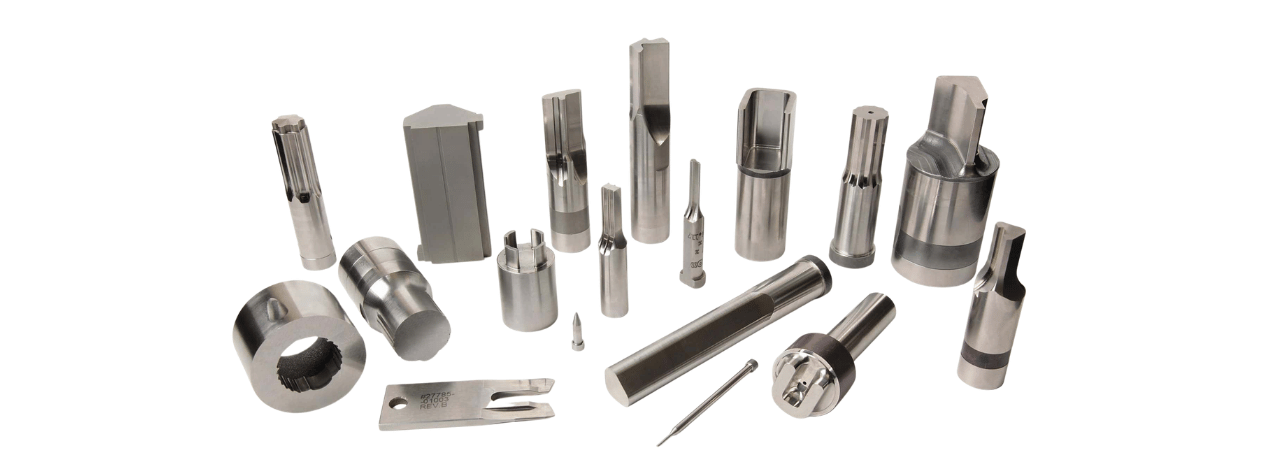
Hardness is not the only output of heat treatment. The microstructure, grain size, and retained austenite all affect performance. A properly heat-treated HSS punch at 60 HRC can outperform a poorly treated one at 64 HRC. This is why the same material from different suppliers can behave very differently.
For Stamping Die Punches, we control heat treatment carefully because a few points of hardness difference can mean the difference between a tool that lasts 500,000 cycles and one that chips after 50,000.
Surface Finish
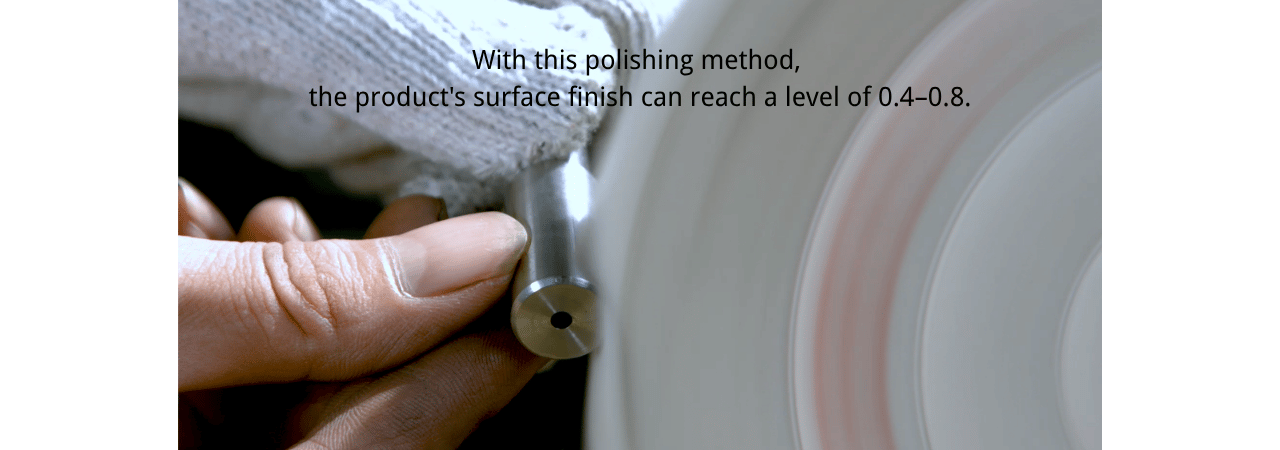
Punch side walls and tips should be smooth. A rough surface creates stress concentrations and increases friction. In punching operations, the side wall finish directly affects wear and galling.
This is especially critical for Dies and Punches for Tableting, where surface finish affects powder sticking, tablet weight consistency, and tool life. A smooth, polished surface is not cosmetic—it is functional.
Coating or Surface Treatment
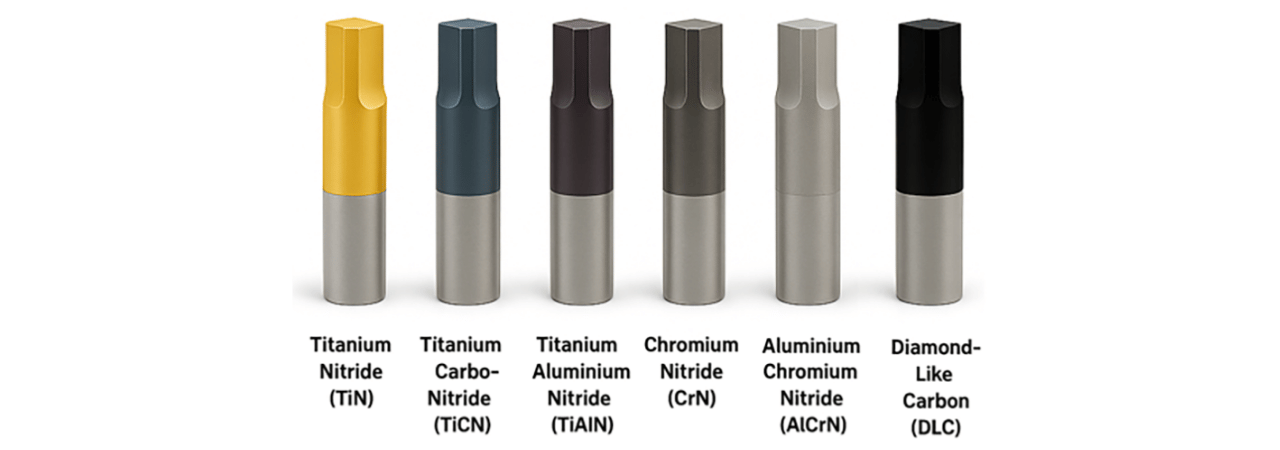
Coatings like TiN or TiCN reduce friction and improve wear resistance. But they do not fix a brittle core. If the base material is chipping, a coating will not save it. The base material and the surface treatment must be matched to the application.
This matters a lot for Tungsten Carbide Punches, where the surface condition can be the difference between clean cutting and material build-up.
FAQ
Which punch material is better: HSS or carbide?
Neither is universally better. HSS is tougher and more forgiving, which makes it a good general-purpose choice. Carbide wears longer in abrasive applications but chips more easily. Choose based on your failure mode.
Can I put a coating on any punch material?
Most coatings work best on hardened HSS or carbide. The base material must be properly prepared, and the coating must be appropriate for the application. A coating will not fix a toughness problem.
Why did my punch chip at the tip?
Chipping is usually caused by excessive hardness, impact load, or side load. Check the material hardness, the clearance, and whether the punch is properly aligned.
What is the best material for punching stainless steel?
Stainless steel is tough and abrasive. HSS with a good surface finish and proper clearance works for moderate volumes. For high volumes, consider carbide, but make sure the tool is rigid enough to avoid chipping.
Do I need to specify material in my drawing?
It helps, but it is not required. Send us your application details and the previous punch if you have one. We can recommend a material based on the failure mode and production requirements.
Can you match a sample punch material?
Yes. Send us the sample or the material specification, and we can review whether it is suitable for your application or recommend an alternative.
Get Your Punch Material Right
If you are replacing a punch that failed, send us the details. If you are designing a new one, tell us the application, workpiece material, and production volume. We will recommend a material that matches your actual conditions—not just the highest hardness grade on the chart.
Contact HTX Precision to discuss your punch material requirements.