
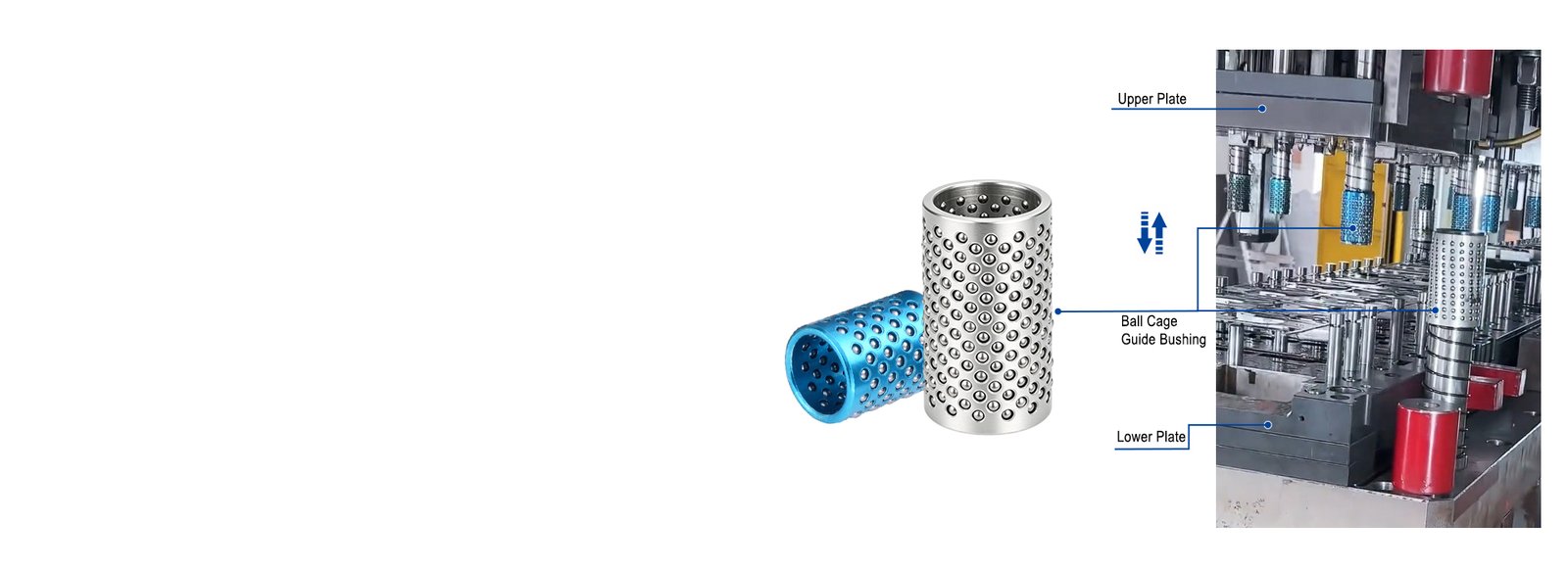
What Is an Aluminum Ball Cage?
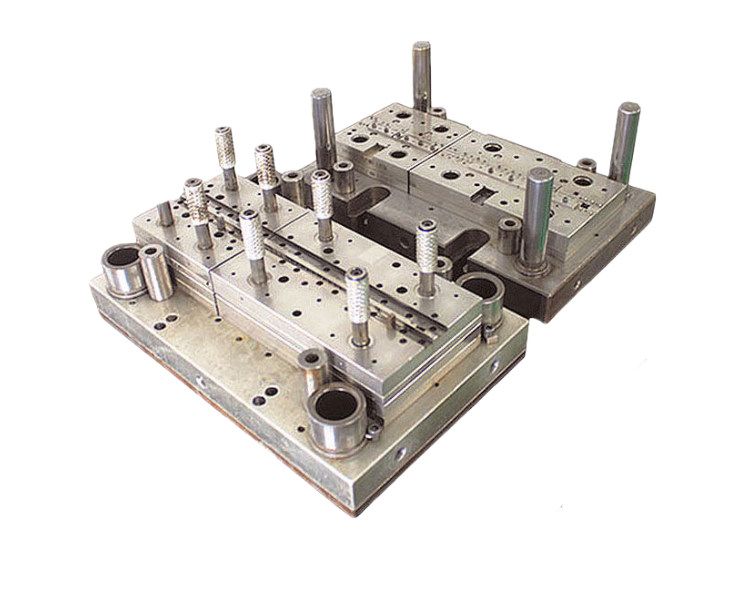
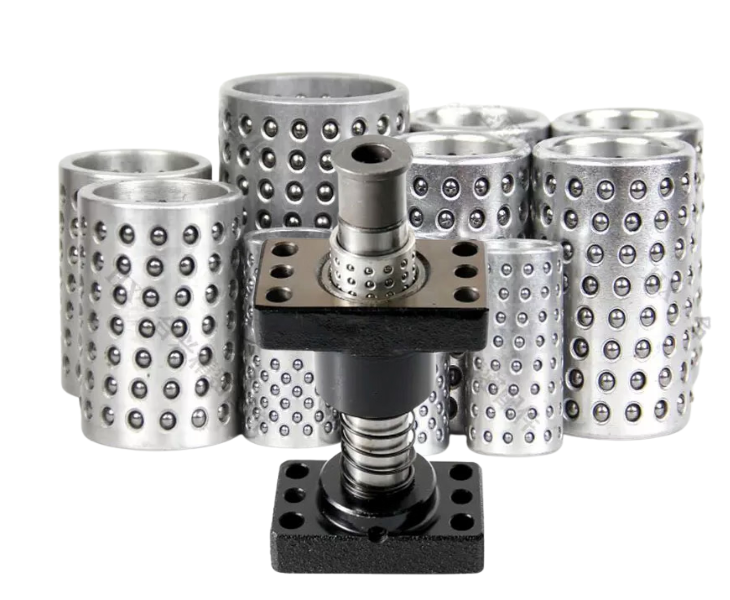
An aluminum ball cage is a lightweight guiding component consisting of an aluminum alloy body and hardened steel balls. It is installed between guide pillars and guide bushings.
The aluminum cage structure reduces overall moving weight while providing stable ball positioning and smooth linear movement.
Compared to brass or plastic ball cages, the aluminum body reduces moving mass and inertia, making it the preferred choice for high-speed stamping dies, progressive dies, and precision guiding systems requiring rapid reciprocating movement.
| Parameter | Details |
| Cage Material | Aluminum |
| Ball Material | Bearing steel balls |
| Movement | Linear movement |
| Application | Mold guide system |
| Customization | Available based on drawings |
Aluminum Ball Cage Structure for Mold Guide Systems
The aluminum ball cage is centered around three core structural components, each playing a specific role during reciprocating motion.
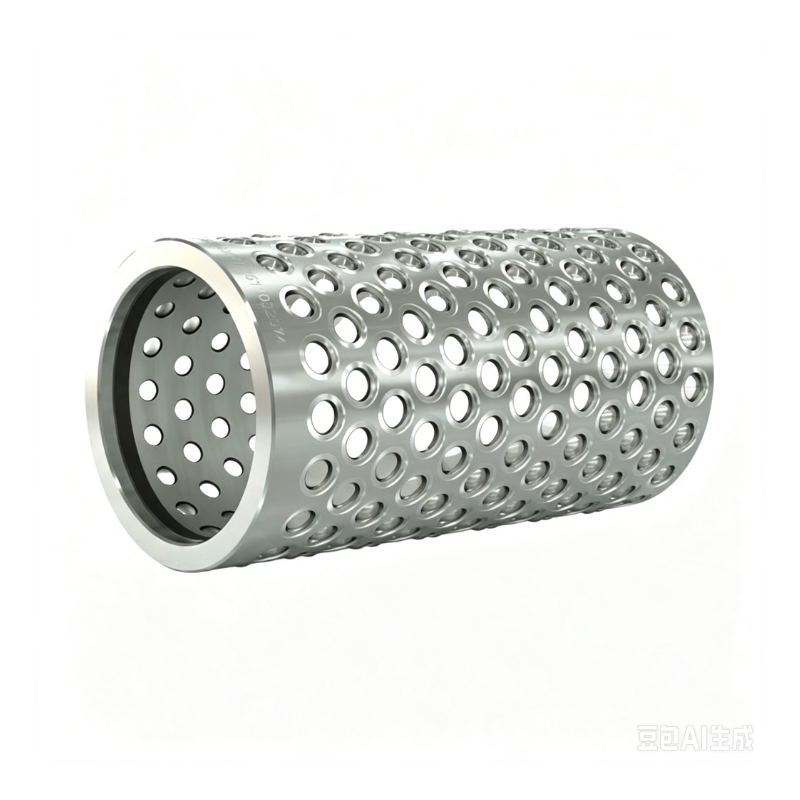
The precision-machined aluminum alloy body uniformly secures the steel balls in their designated positions, providing the physical structure for the guidance system without adding unnecessary mass.
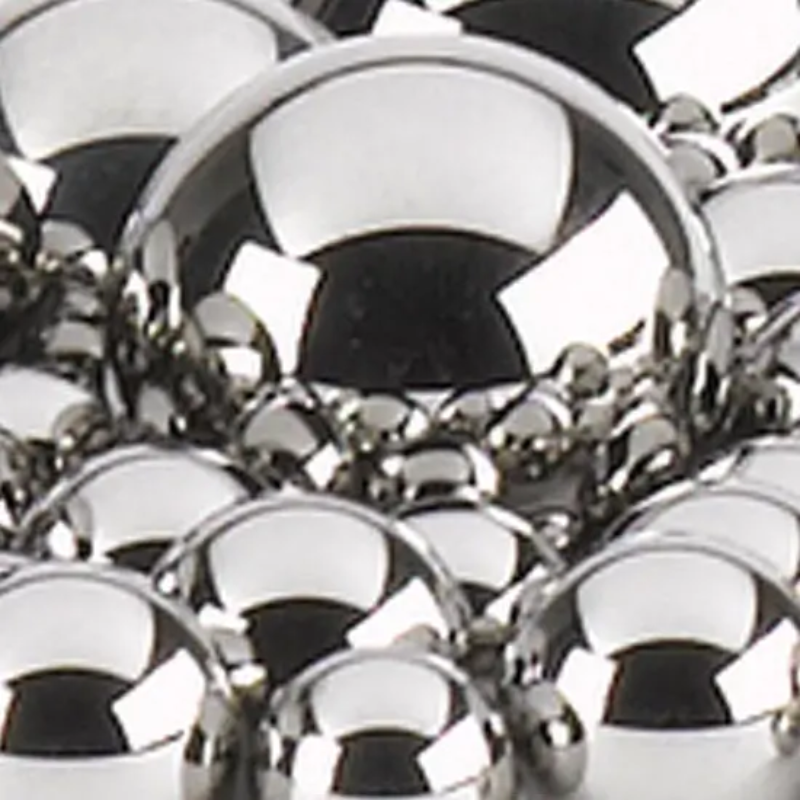
Steel balls machined from hardened 100Cr6 bearing steel serve as the contact points connecting the guide pillar and the guide bushing; their consistent sphericity and diameter are fundamental to transforming sliding friction into rolling friction.
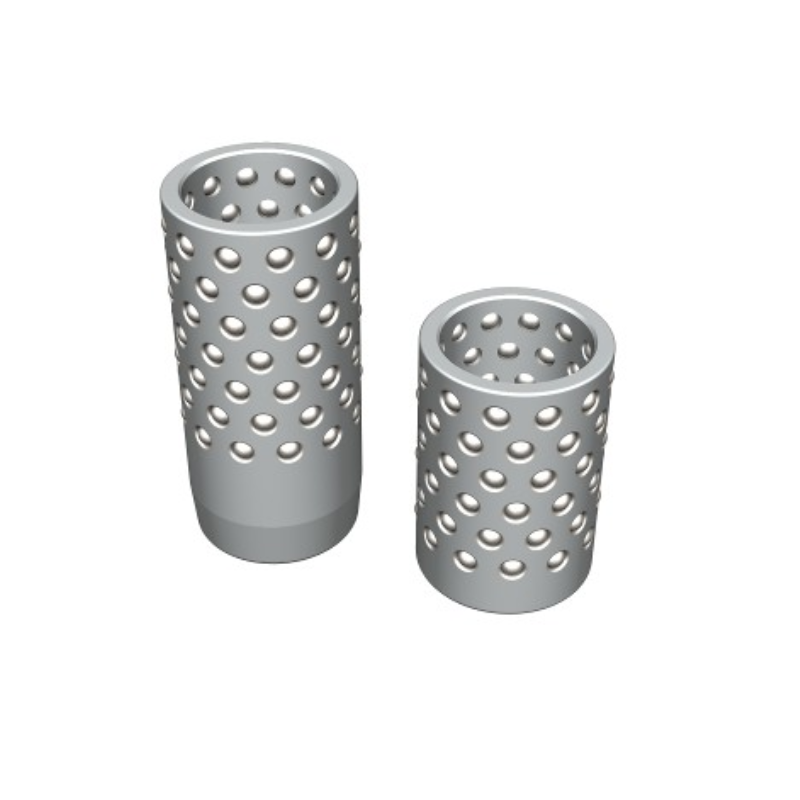
The steel balls are arranged in a spiral pattern, ensuring that each ball follows its own rolling path throughout the mold’s operation, effectively preventing mutual friction and vibration.
How Does an Aluminum Ball Cage Work?
Due to the low mass of the aluminum ball cage body, it changes how the guide system behaves at speed.

The lighter aluminum alloy ball cage body requires less effort to move and stop during operation, enabling rapid, lag-free response whenever the mold changes direction.

Since the aluminum cage does not carry extra weight, there is no excessive bouncing during the rapid reciprocating movement of the mold; the steel balls do not slip out of their tracks, ensuring consistently smooth operation.

Precision-machined steel balls roll continuously between the guide pillar and the guide bushing; this sustained low-friction action prevents the spherical surfaces from wearing flat.

At the start and end of each stroke, there is no extraneous oscillation or steel ball slippage, ensuring precise maintenance of the guidance system’s alignment.
Why Choose Aluminum for Ball Cages?
Aluminum ball cages can yield better practical benefits in applications where speed is more important than strength. Select the appropriate load case for it.

Aluminum is lighter in weight, requiring less driving force for mold operation and allowing for higher speeds.

Aluminum sheds heat fast and doesn’t hold it. Maintaining dimensional stability even during prolonged operation.

The surface oxide layer resists galling, requiring less frequent relubrication under low to moderate loads.

Aluminum is easier to machine than brass or steel, and the lead time for custom parts is shorter.
Why Choose Aluminum for Ball Cages?
- The primary reason for choosing an aluminum ball cage is speed. The aluminum body reduces inertia, enabling rapid cycling while maintaining guidance precision.
- In high-speed progressive stamping dies, it delivers higher stroke rates and reduced vibration within the guidance system. It also offers excellent heat dissipation—a key advantage of aluminum when dealing with frictional heat generated during rapid reciprocating motion. Furthermore, aluminum is easy to machine, resulting in shorter lead times for custom parts and lower costs.
- It is important to note that aluminum ball cages are best suited for light-to-medium load applications; brass ball cages are the better choice for heavy-duty stamping. When your die design prioritizes speed over tonnage, aluminum is the ideal material.
Aluminum Ball Cage Engineering Features
The lightweight structure of the aluminum ball cage, combined with precision-machined steel balls, effectively reduces inertia during high-speed reciprocating motion, making it an ideal choice for high-speed cycling mold applications.
| Feature | Function |
| Aluminum Alloy Cage Body | Reduces moving weight |
| Precision Ball Pockets | Ensures smooth rolling |
| Hardened Steel Balls | Provides rolling durability |
| Lightweight Structure | Improves response speed |
| Controlled Clearance | Maintains guide accuracy |
When Another Material May Be Better?
Aluminum works well within its range—but some applications call for a different material. Here’s when to consider brass or plastic instead.
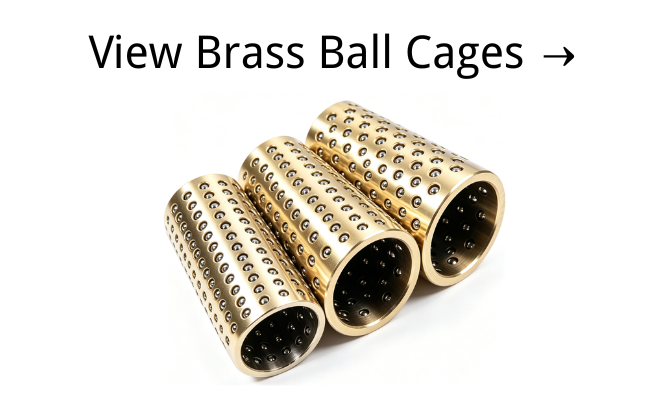
- Brass Ball Cage – If your application involves higher loads, sustained wear over millions of cycles, or environments where self-lubrication matters, a brass ball cage is the stronger choice. Brass also suits applications requiring corrosion resistance beyond aluminum’s capability.
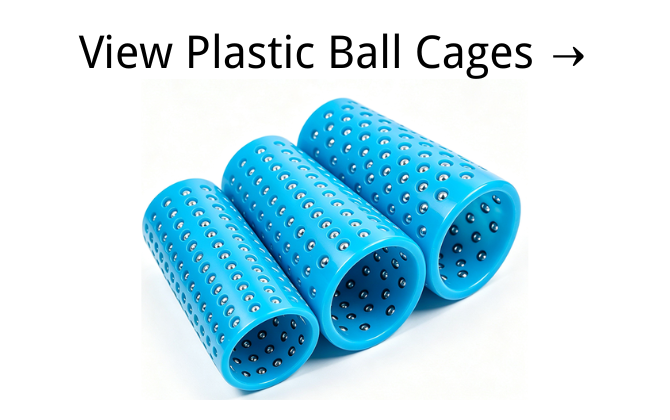
- Plastic Ball Cage – For very light loads where noise reduction, oil-free operation, or chemical resistance are priorities, a plastic ball cage often outperforms both aluminum and brass. It’s the go-to choice for cleanroom, medical, or food-grade environments.
When Should You Choose an Aluminum Ball Cage?
Aluminum enables rapid response in high-speed mold guidance systems characterized by low moving mass and low inertia.
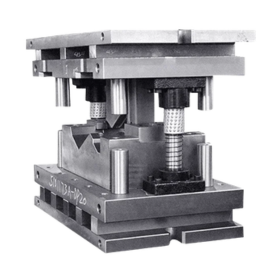
Thin-gauge stamping, small-part injection molds, light-duty fixtures—when the guide system isn’t absorbing heavy tonnage, an aluminum ball cage handles the load at a lower cost than brass or steel. Typical examples include electronic connector molds and small precision parts tooling.
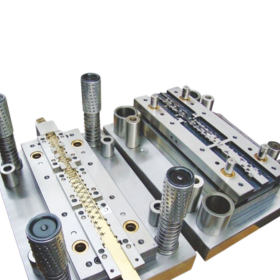
Progressive stamping dies, automated mold systems, high-cycle injection lines—where cycle time and response speed directly determine output, aluminum’s lower reciprocating mass reduces direction-change energy and keeps the mold running at pace without alignment drift.
Custom Aluminum Ball Cage Manufacturing
We verify all specifications—cage diameter, length, ball size, arrangement pattern—and confirm manufacturability before any material is cut.
Aluminum alloy grade is selected and verified against your application requirements.
The cage body and ball pockets are CNC-machined in one setup to ensure positional accuracy and consistent pocket geometry.
Hardened steel balls are loaded into each pocket and mechanically retained. Every ball rotates freely, and every ball stays securely in place.
We check the dimensional accuracy, ball position accuracy, surface finish, and final assembly inspection before packaging and shipment.
The cage bore should match the guide pillar diameter with a running fit—typically H7/g6 or equivalent. Too tight, and the cage binds. Too loose, and alignment precision drops.
Under low-load, low-speed conditions, the oxide layer on the aluminum alloy provides natural lubricity; however, even a small amount of lubrication can significantly extend the service life of the steel balls and ball pockets.
Aluminum ball cages maintain dimensional stability and precision at temperatures up to 150°C; if temperatures are expected to exceed this limit, please select a brass ball cage.
This depends on the structural design of the cage body; mechanical crimping structures generally secure the steel balls firmly. However, replacing the steel balls individually is not recommended; if the ball pocket is damaged, it is advisable to replace the entire ball cage.
Primarily, check whether the ball pockets have elongated or deformed and if the steel balls show uneven wear; also, monitor for any increase in clearance. If mold misalignment occurs—resulting in flash or dimensional deviations—inspecting this cage should be the first priority.
Related Mold Guide Components
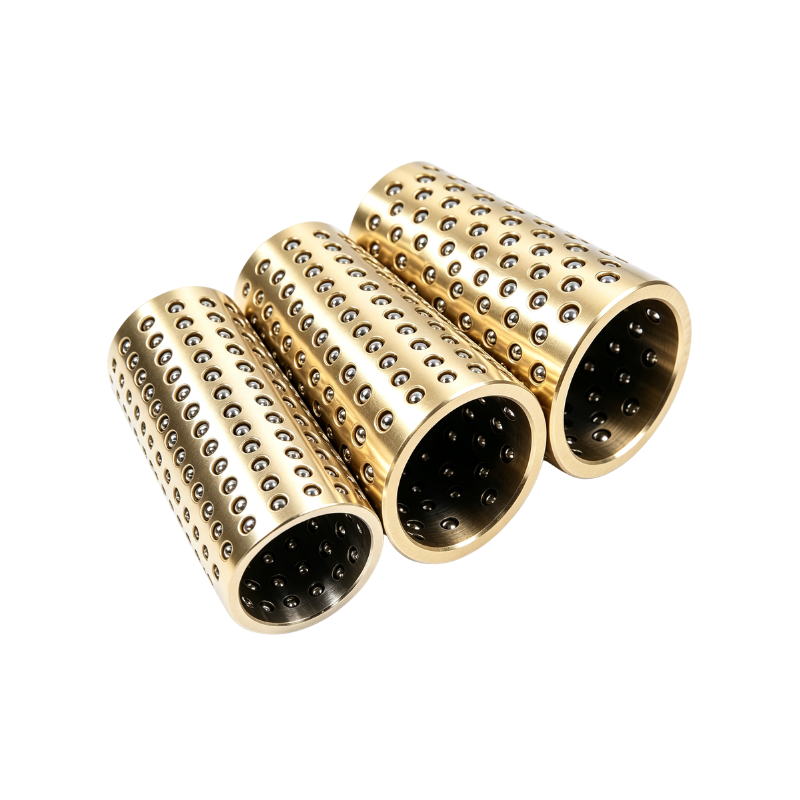
High-wear ball cage solution for high-cycle molds, precision tooling, and applications requiring greater mechanical strength and durability.
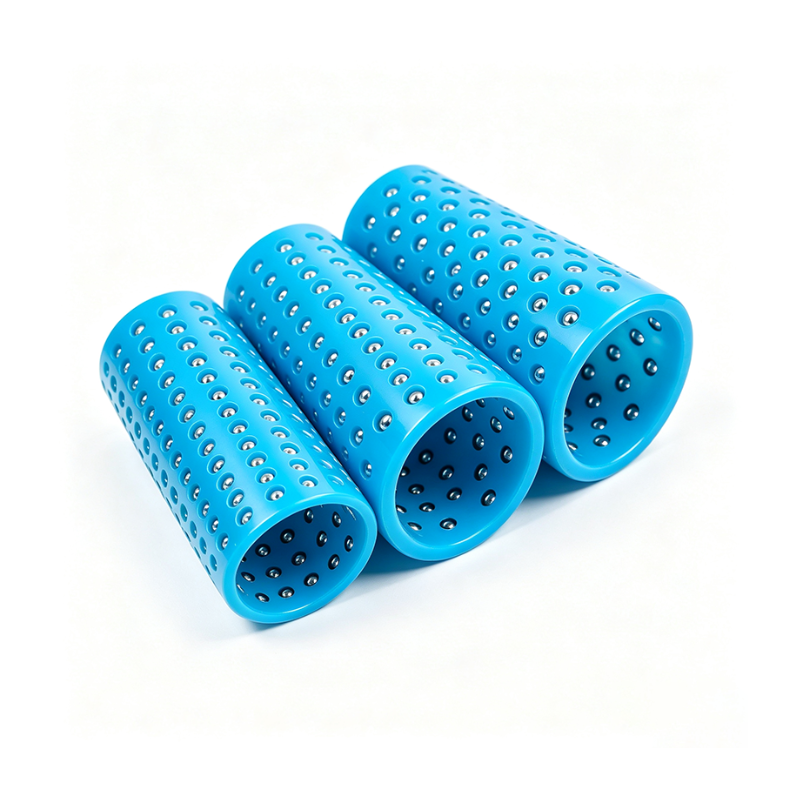
Lightweight, low-friction ball cage solution for light-load applications requiring quiet operation and smooth mold guidance.
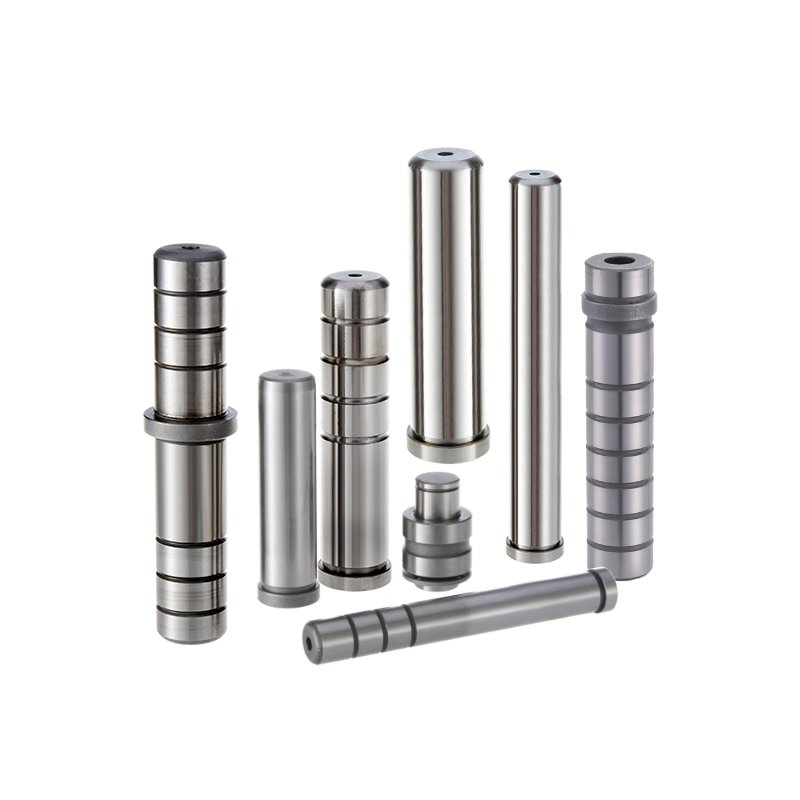
Precision guide posts designed for accurate mold alignment and stable movement in injection molds and stamping dies.
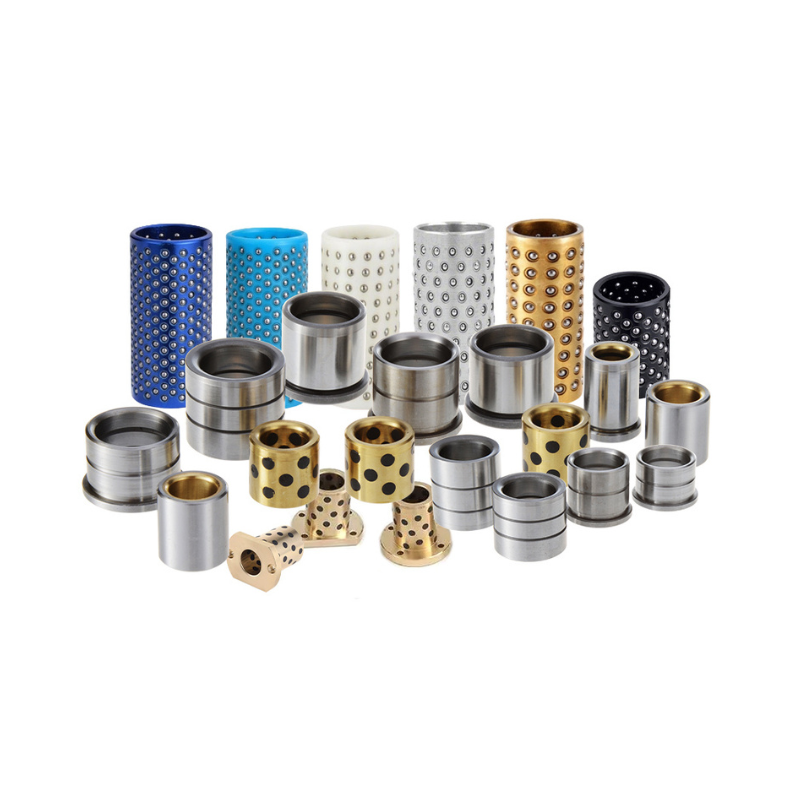
Precision guide bushings designed to work with guide posts and ball cages for reliable mold guidance.
Aluminum Ball Cage vs Brass Ball Cage
| Feature | Aluminum | Brass |
| Weight | Lightweight | Medium |
| High-speed movement | Excellent | Good |
| Wear resistance | Good | Excellent |
| Load capability | Medium | Higher |
| Moving inertia | Lower | Higher |
| Typical use | High-speed molds | High-cycle molds |