
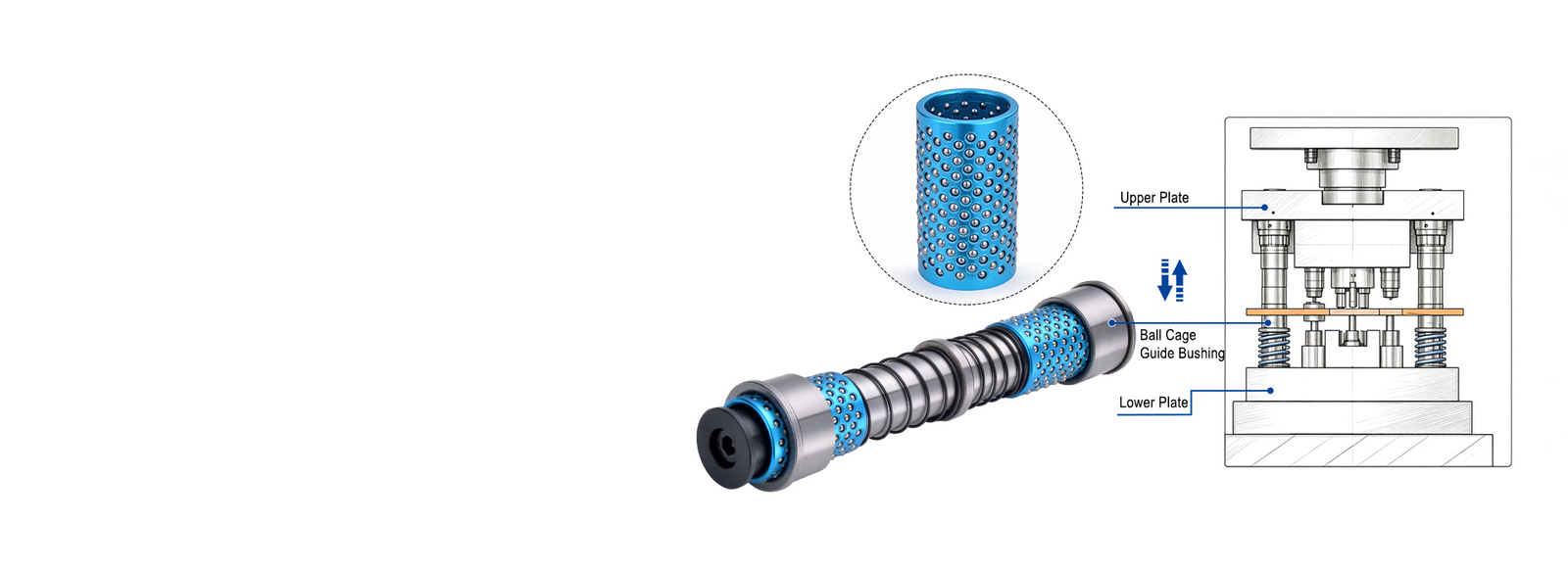
What Is Ball Cage?
A ball cage—also known as a ball retainer or ball guide cage—is a common component in mold bases and precision guidance systems. It utilizes various materials to evenly space a series of precision-grade steel balls with optimal clearance, ensuring smooth axial movement between guide pillars and guide bushings.
Based on different mold applications, HTX provides customized and standard ball cage solutions, which are designed for stable guidance performance, reduced friction and consistent positioning accuracy.
Contact us for customized ball cage solutions to meet your specific needs.
Types of Ball Cages.
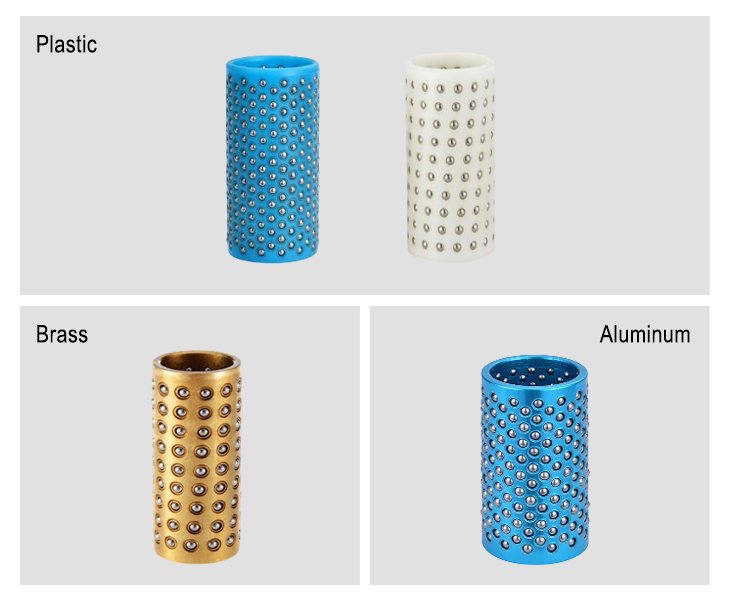
Ball cages are manufactured from various materials—such as brass, aluminum, and plastic —to suit different operating conditions involving load, temperature, and speed. Customized ball cages designed for specific mold structures are also available. Each material offers distinct performance advantages; you can click on individual products to learn more.
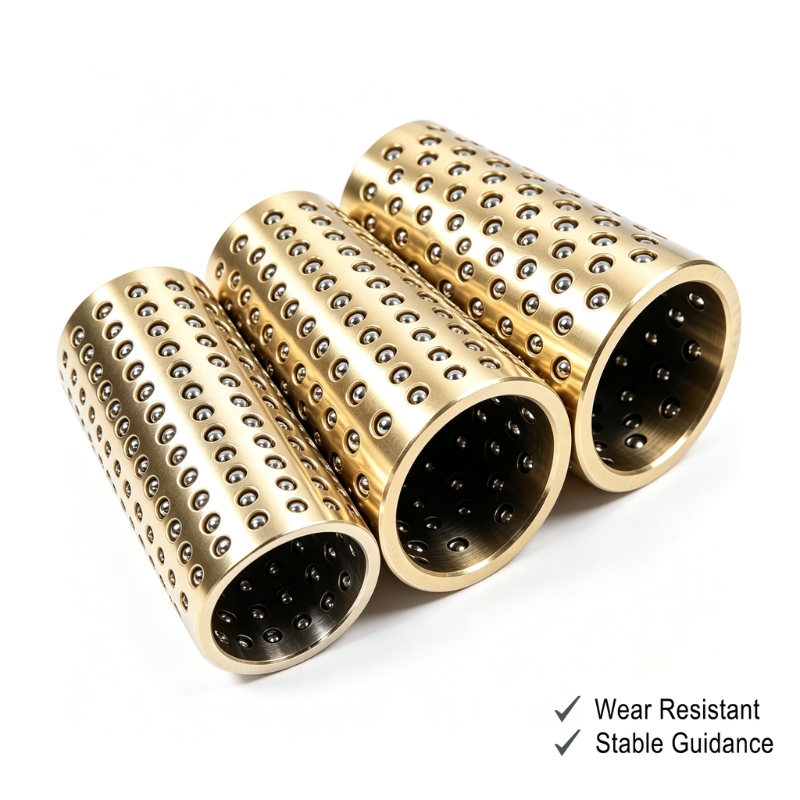
Specifically designed for applications requiring excellent wear resistance and stable performance during repeated mold cycles.
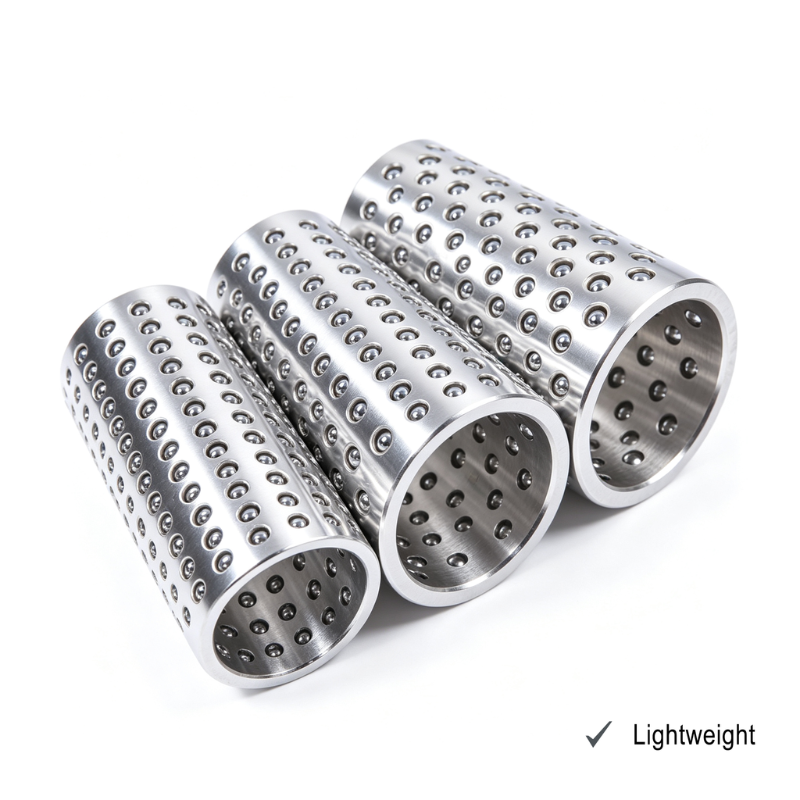
Designed specifically for high-speed stamping applications under low-load conditions.
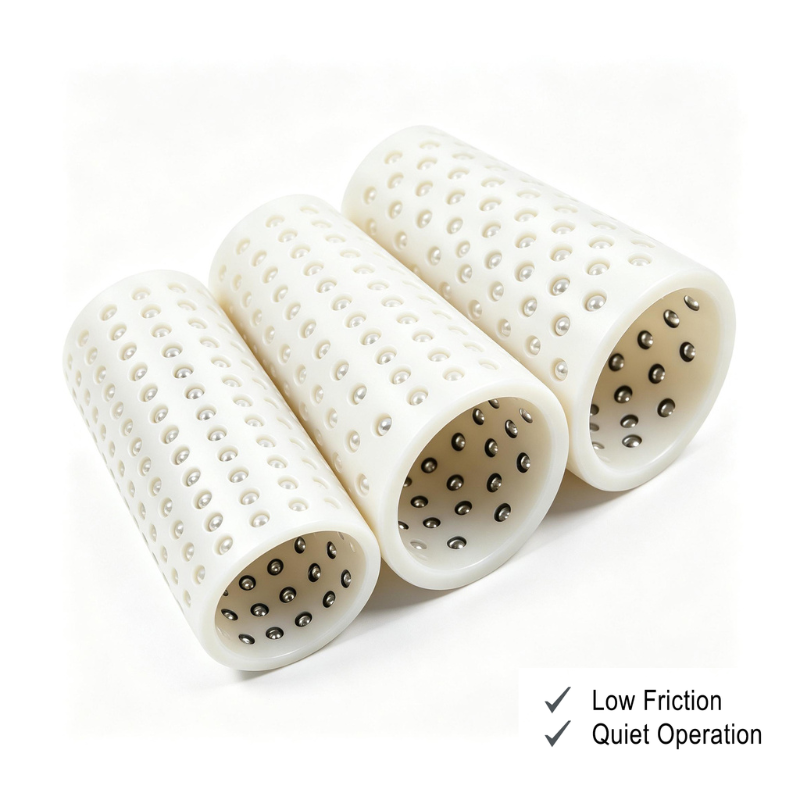
It is primarily suitable for certain high-speed applications with light loads.
Improve Mold Alignment and Reduce Friction
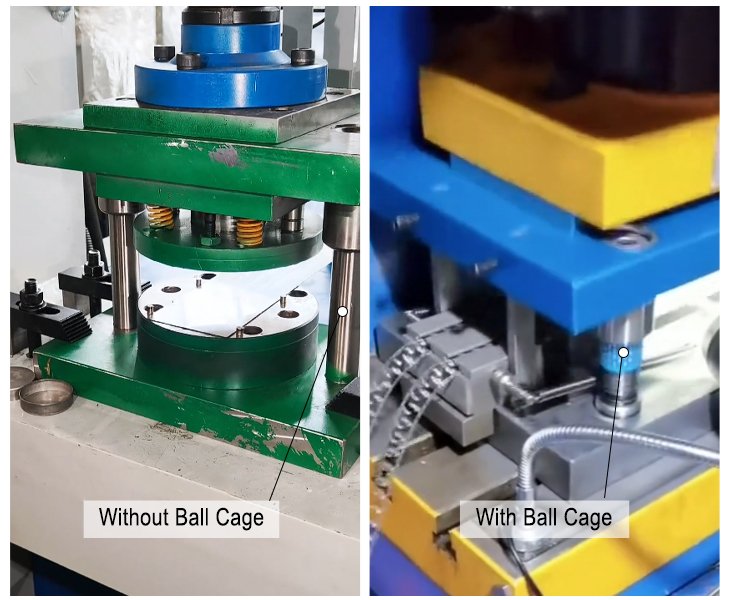
- The ball cage serves to retain the steel balls positioned between the guide pillar and the guide bushing. The smoothness of the steel balls’ rolling motion directly affects the friction between the pillar and the bushing; lower friction results in reduced wear, thereby directly influencing the extent of wear.
- Furthermore, precise alignment between the guide pillar and the guide bushing is maintained throughout every stroke, preventing the steel balls from drifting off course or bunching together. This ensures the proper movement of the upper and lower molds, allowing for controllable tolerances in the manufactured parts.
Ball Cage Material Selection Factors
The choice of material for a ball cage is primarily determined by your specific operating conditions. It depends on the application of the load, the running speed, the working temperature, the working environment, and the precision requirement.
HTX provides brass, aluminum, and plastic to choose from.
Custom Ball Cage Manufacturing Process
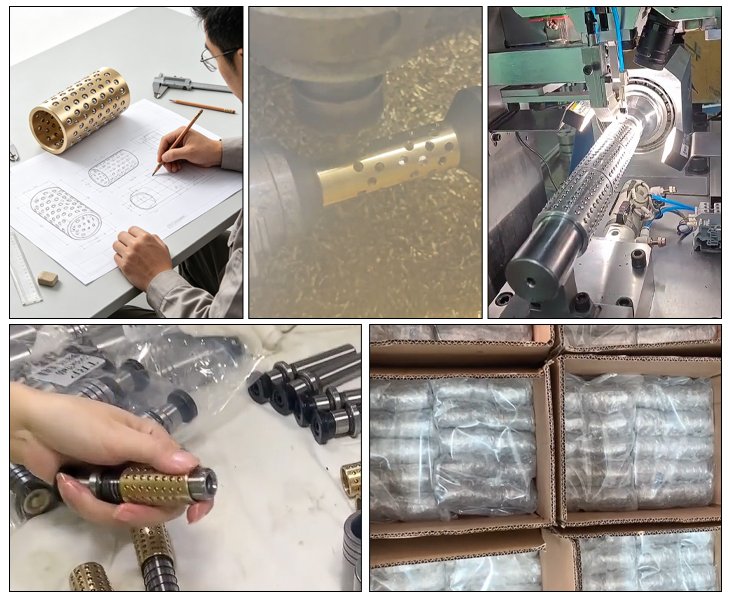
The entire manufacturing process for the ball cage is carried out in-house at our factory.
- Drawing review
- Material confirmation
- CNC machining
- Precision drilling
- Polishing
- 100% Final Inspection(Dimensional, ball pocket accuracy, and surface finish)
If you cannot find a standard model in our catalog, we can customize the ball arrangement based on your sample or drawings.
Ball Cage Application in Mold and Die Industries
Ball cages serve different functions depending on the application; the following explains why your mold requires one based on various use cases.
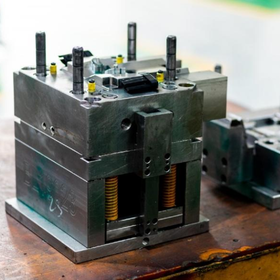
In injection molding applications, ball cages help maintain the stability of the central guide motion between the fixed and moving mold halves during repeated opening and closing cycles, thereby reducing the risk of misalignment and flash, and improving part consistency.
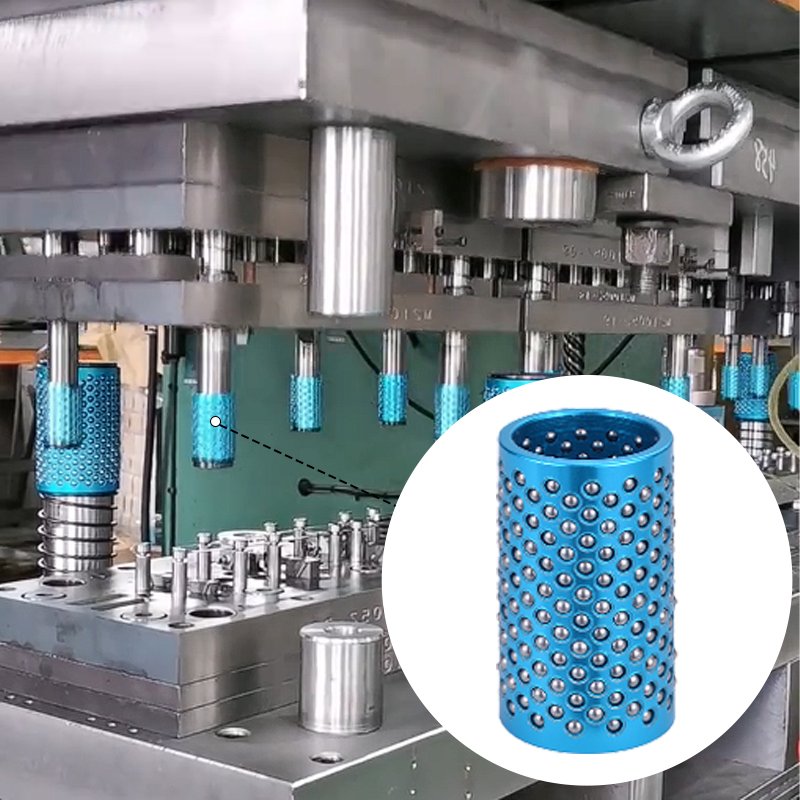
With every punch stroke of the upper and lower dies in a stamping die set, the ball cage must withstand high-speed, heavy-load impacts to prevent misalignment of the die caused by uneven wear on the guide pins, which could lead to hole diameter deviations, chipping of the punch, and burrs on the cut edges.
In precision molds, the ball cage is not only designed to reduce wear but also to ensure that the mold springs back to the exact same position, thereby guaranteeing consistent part dimensions; the ball cage serves to eliminate this variable.
In automotive stamping, the guide system is subjected to enormous impact forces, and the ball cage ensures optimal alignment between the upper and lower dies. In automotive injection molding, strict control of flash on high-value parts such as bumpers, instrument panels, and headlight housings is required; selecting the correct ball cage ensures maximum stability.

Standard Ball Cage Models and Specifications
HTX provides standard ball cages in various diameters, heights, and ball heights for your different mold guide systems.
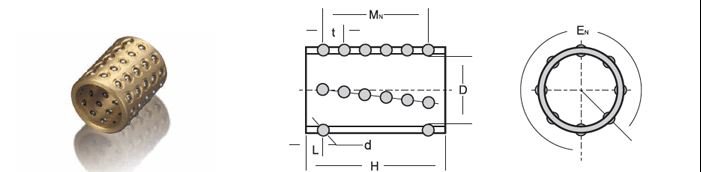
| Model | Diameter | Height | Ball diameter | Decile | Ball high | Ball number | Pitch | Border |
| FZ-1950 | 19 | 50 | 3 | 12 | 8 | 96 | 5.5 | 5.75 |
| FZ-1960 | 60 | 10 | 120 | 5.25 | ||||
| FZ-2050 | 20 | 50 | 8 | 96 | 5.75 | |||
| FZ-2060 | 60 | 10 | 120 | 5.25 | ||||
| FZ-2250 | 22 | 50 | 14 | 8 | 112 | 5.75 | ||
| FZ-2260 | 60 | 10 | 140 | 5.25 | ||||
| FZ-2360 | 23 | 60 | 10 | 140 | 5.25 | |||
| FZ-2475 | 24 | 75 | 16 | 13 | 208 | 4.50 | ||
| FZ-2550 | 25 | 50 | 8 | 128 | 5.75 | |||
| FZ-2560 | 60 | 10 | 160 | 5.25 | ||||
| FZ-2575 | 75 | 13 | 208 | 4.50 | ||||
| FZ-2775 | 27 | 75 | 13 | 208 | 4.50 | |||
| FZ-2860 | 28 | 60 | 4 | 14 | 8 | 112 | 6.5 | 7.25 |
| FZ-2875 | 75 | 11 | 154 | 5.00 | ||||
| FZ-3060 | 30 | 60 | 8 | 112 | 7.25 | |||
| FZ-3075 | 75 | 11 | 154 | 5.00 | ||||
| FZ-3260 | 32 | 60 | 16 | 8 | 128 | 7.25 | ||
| FZ-3275 | 75 | 11 | 176 | 5.00 | ||||
| FZ-3290 | 90 | 13 | 208 | 6.00 | ||||
| FZ-3685 | 36 | 85 | 12 | 192 | 6.75 | |||
| FZ-3690 | 90 | 13 | 208 | 6.00 | ||||
| FZ-3870 | 38 | 70 | 5 | 8 | 128 | 8.0 | 7.00 | |
| FZ-3890 | 90 | 11 | 176 | 5.00 | ||||
| FZ-4090 | 40 | 90 | 11 | 176 | 5.00 | |||
| FZ-4590 | 45 | 90 | 18 | 11 | 198 | 5.00 | ||
| FZ-45110 | 110 | 13 | 234 | 7.00 | ||||
| FZ-5090 | 50 | 90 | 20 | 11 | 220 | 5.00 | ||
| FZ-50110 | 110 | 13 | 260 | 7.00 | ||||
| FZ-6090 | 60 | 90 | 22 | 11 | 242 | 5.00 | ||
| FZ-60110 | 110 | 13 | 286 | 7.00 | ||||
| FZ-80130 | 80 | 130 | 28 | 15 | 420 | 9.00 |
Feedback from HTX’s Globe Customer
We’ve been ordering ball cages for our stamping dies from HTX for about two years. Consistency is what keeps us coming back—every batch, the pocket spacing and bore finish are bang on. Haven’t had a single fitment issue across hundreds of units.
 Natalia CasinelliPurchasing Manager
We needed a custom-configured ball cage for a tight-space mold, and MOQ 10 was the deal maker. Sent the drawing, got a workable proposal the next day. Cage fit right in, and it’s been running smoothly for months now.
 Fadrimon HendrikOwner of the Mold Factory
The ball cage they recommended for our cleanroom molds runs dead quiet and with zero grease, exactly what we needed. Reordered twice already, same quality every time.
 Jared OliverTechnician at HALO Injection Molding
These two terms are completely interchangeable in the fields of mold making and precision machinery, and they serve the same function.
In Asia and Europe, “ball cage” is more commonly used, emphasizing the structural form of a cage that encloses and separates the steel balls.
In North America, “ball retainer” is more commonly used, emphasizing its function of holding the steel balls in place and preventing them from falling out.
Please send your 2D and 3D drawings. If you are unsure about the drawing requirements, please contact our professional engineer about the application requirements, the guide pillar size, dimensions, and quantity.
- The primary causes of ball cage failure lie in installation and operating practices, and can be identified by examining the following factors:
- Improper assembly, such as installation at an angle or forcing the ball cage into place, can damage its structure;
- Failure to provide adequate lubrication during operation leads to increased wear;
- Overloading causes the steel balls to deform, preventing them from functioning properly;
- Misalignment between the guide pins and guide sleeves results in uneven force distribution and eccentricity;
- Inappropriate design dimensions for the steel balls and improper clearances.
Choosing the right ball cage comes down to your mold’s operating conditions, not just dimensions. Just like the load, speed and cycle rate, lubrication and environment, and the precision requirements. If you do not know how to choose them, contact us for Professional advice.
Yes, HTX can provide a custom ball cage according to the drawing.
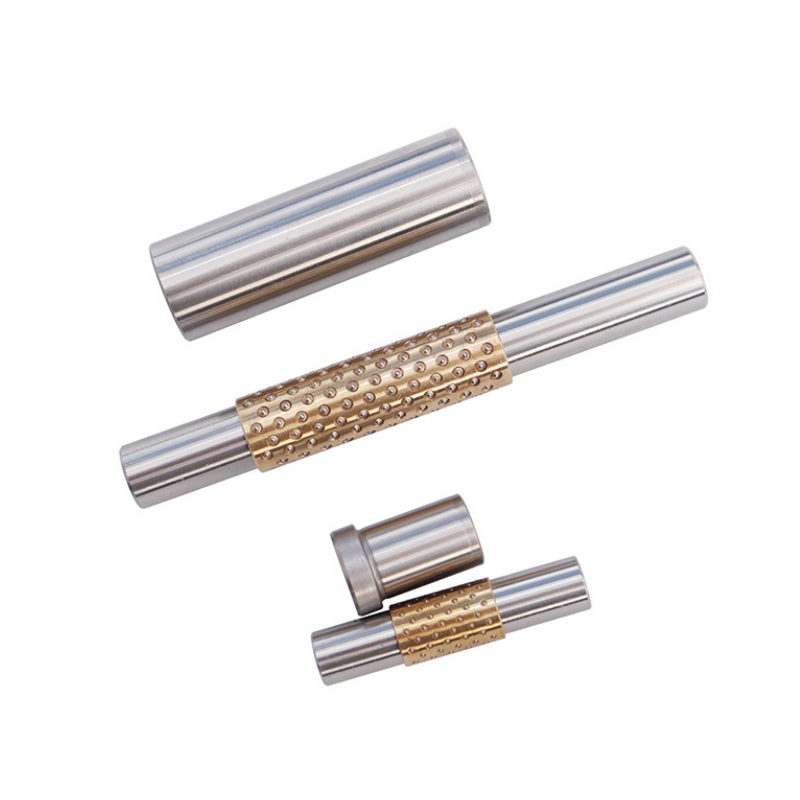
Complete rolling guide bushings designed to work with precision guide posts and ball-bearing guidance systems.
More Design Considerations About Ball Cage
In addition to material selection, performance engineers must also consider the following design factors for ball cages.
| Factor | Why It Matters |
| Cage Diameter | Affects compatibility and alignment |
| Ball Diameter | Influences the load capacity |
| Number of Balls | Affects load distribution |
| Ball Pitch | Determines movement stability |
| Clearance | Impacts accuracy and friction |
| Guide Post Compatibility | Ensures proper guidance |