
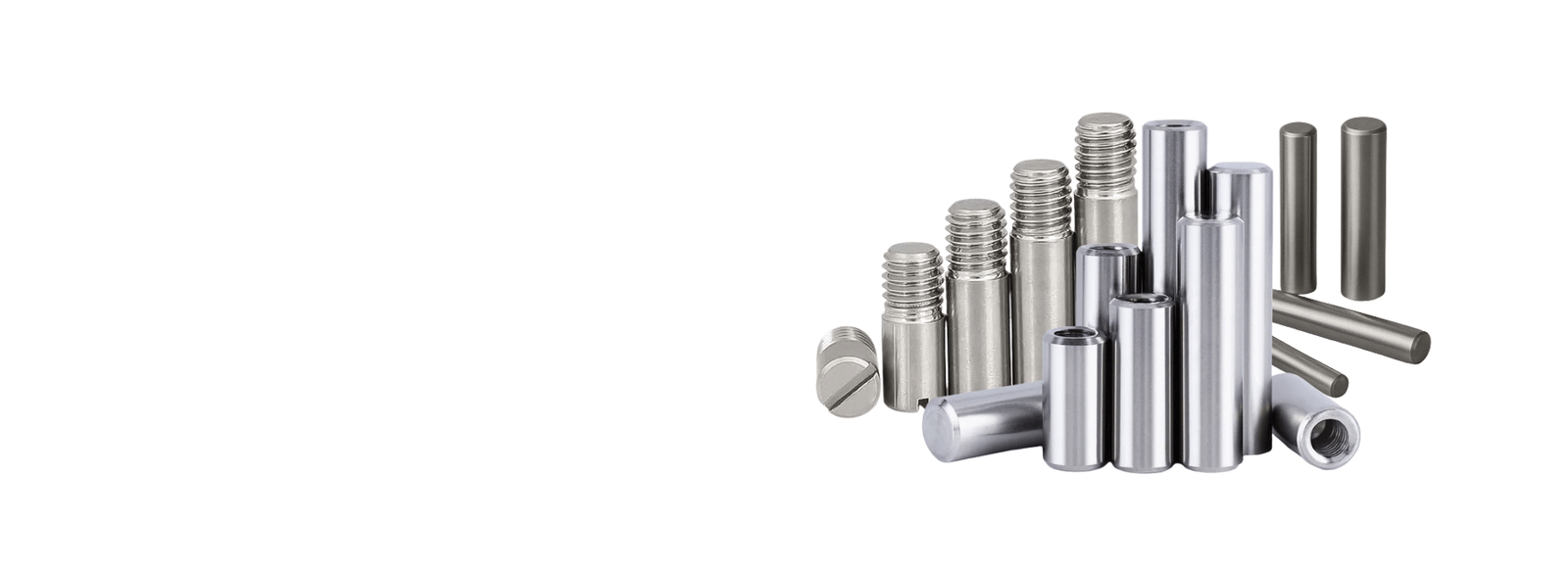
Product Quick Summary
| Feature | Dowel Pins |
| Primary Function | Precision positioning and alignment |
| Basic Design | Precision cylindrical pin |
| Main Applications | Molds, dies, tooling, industrial assemblies |
| Configurations | Precision, hardened, threaded, pull, custom |
| Manufacturing | Precision machining and grinding per specification |
| Supply | Standard and custom options |
What Are Dowel Pins?
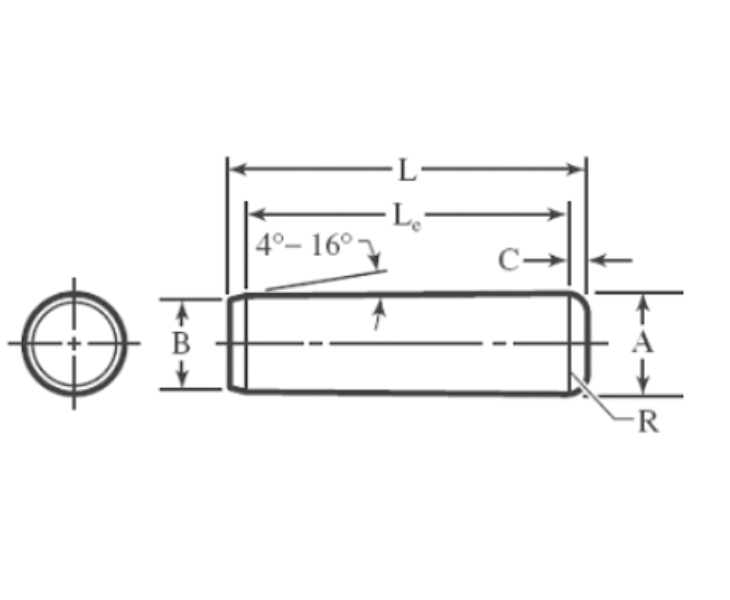
A precision dowel pin is a precision cylindrical locating component used to align and position two or more mating parts and maintain repeatable assembly. Unlike bolts and screws, a dowel pin is primarily used for positioning and resisting lateral or shear movement rather than generating clamping force.
In molds, dies, tooling, and machinery, dowel pins ensure that mating parts return to the same position every time the assembly is taken apart and reassembled.
Dowel Pins vs. Bolts, Screws and Other Fasteners
| Component | Primary Function |
| Dowel Pin | Precise alignment/positioning |
| Bolt | Clamping |
| Screw | Threaded fastening |
| Spring Pin | Flexible retention |
The Types of HTX's Dowel Pins
HTX supplies five main dowel pin configurations, each designed for a specific requirement.
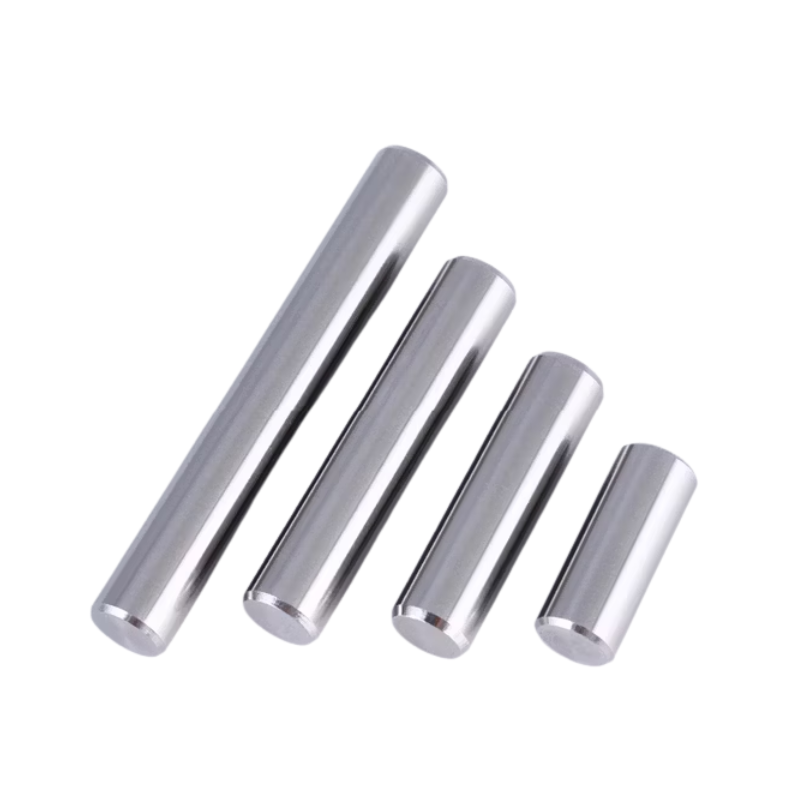
Precision-ground dowel pins designed for accurate positioning and alignment of mating components.
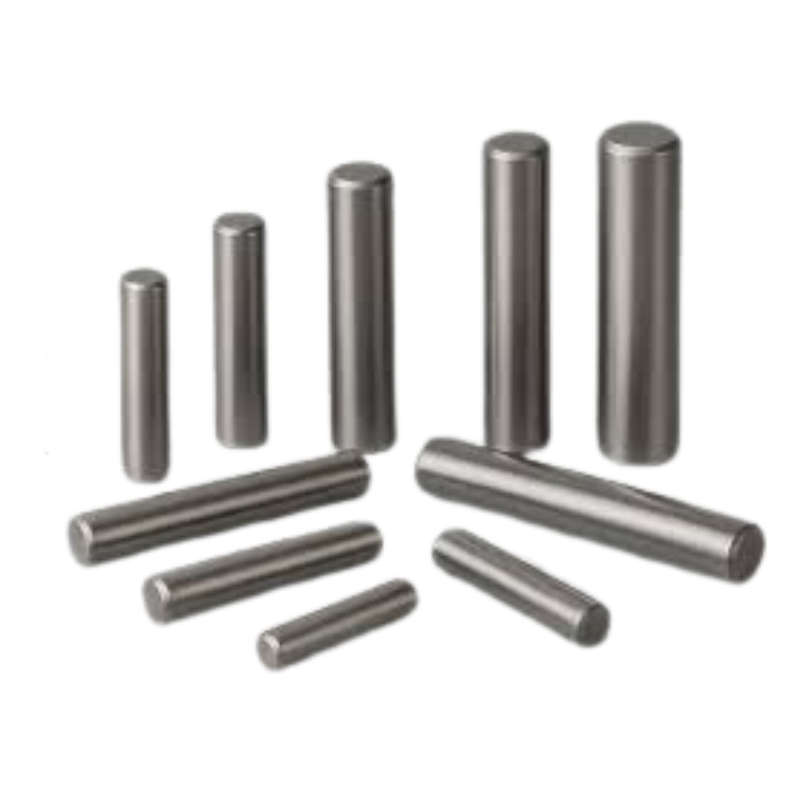
Heat-treated dowel pins for applications requiring increased wear resistance and dimensional stability.
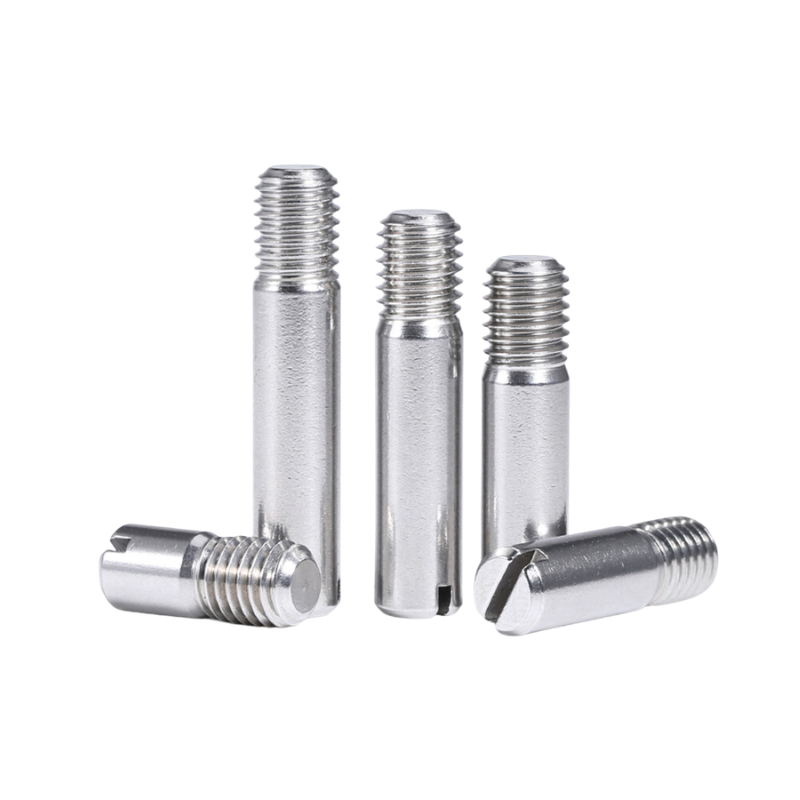
Dowel pins with a threaded feature for installation, retention, or removal.
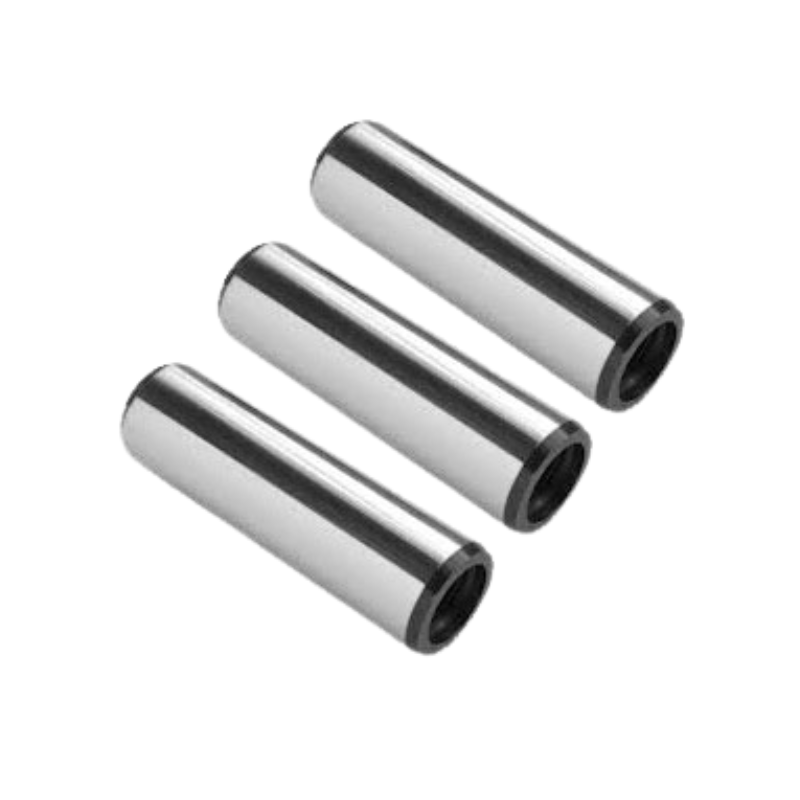
Dowel pins with a pull feature designed to make installation and removal more convenient.
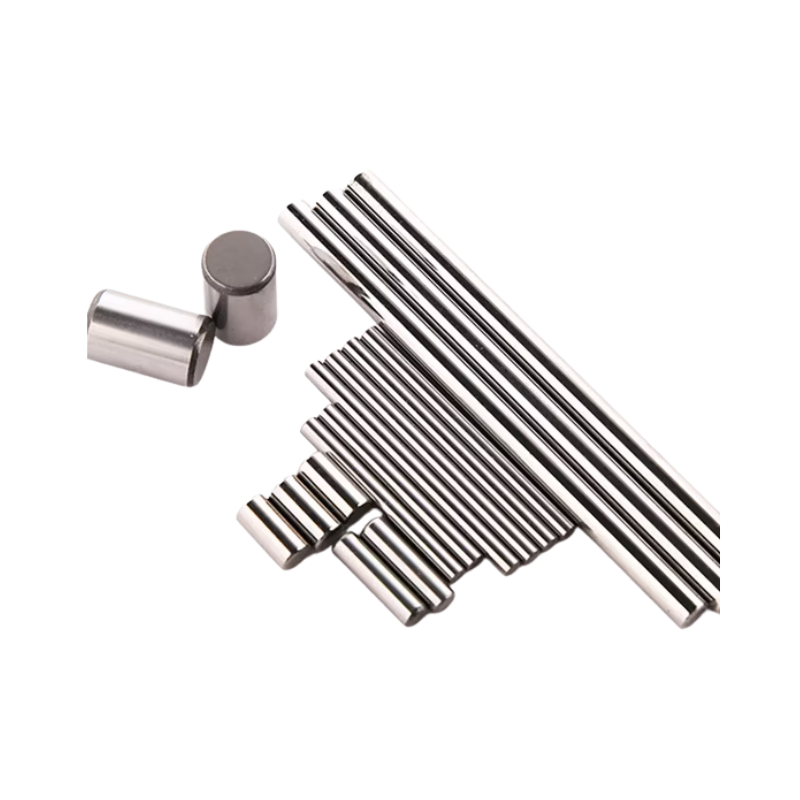
Dowel pins manufactured to specified dimensions, tolerances, materials, and configurations.
What Are Dowel Pins Used For?
Dowel pins serve four core functions in precision assemblies. Dowel pins are locating components—not clamping components. They position; fasteners clamp.

A dowel pin maintains a precise relative position between two components. Once installed, it eliminates guesswork—the parts can only go together one way. This is why dowel pins are used in mold plates and die sets where alignment must be repeated exactly.

During assembly, dowel pins guide the mating components into correct alignment before any clamping force is applied. They prevent misalignment that could cause uneven wear, flash in molded parts, or mis-cut stampings.

After disassembly and reassembly, dowel pins re-establish the same positional relationship every time. This matters in molds and tooling that are regularly serviced, cleaned, or reconfigured—the locating points stay consistent.

Dowel pins resist lateral forces that would otherwise shift components out of position. In applications where side loads are significant, hardened dowel pins are often specified because higher hardness helps the pin maintain its locating surface under stress.
Manufacturing & Quality from HTX
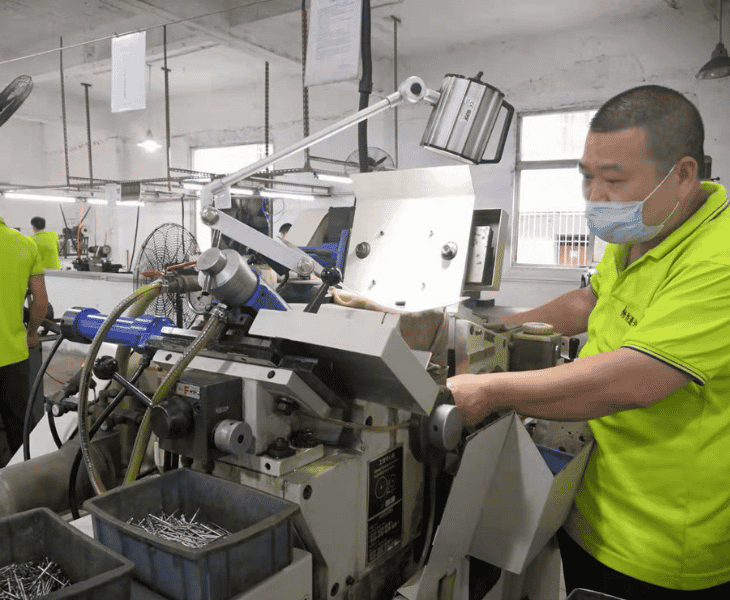
HTX manufactures dowel pins through a controlled in-house process:
Engineering Review → Material Selection → Precision Machining → Heat Treatment → Precision Grinding → Dimensional Inspection → Final Inspection
Quality Control
- Diameter inspection
- Length inspection
- Dimensional tolerance
- Surface finish
- Geometry
- Final inspection
Dowel Pin Applications
Dowel pins are used wherever repeatable positioning matters. Below are four application areas where they play a critical role—each with specific demands on the pin’s design.
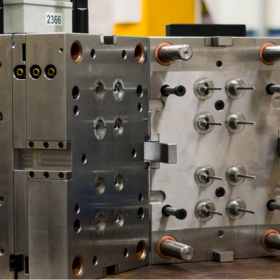
Dowel pins align the cavity plate, core plate, and ejector system during mold assembly and every maintenance cycle. Without reliable positioning, mold halves shift under clamping pressure, causing flash, core damage, or inconsistent part dimensions. Precision dowel pins are standard here because mold plates are repeatedly separated and reassembled.
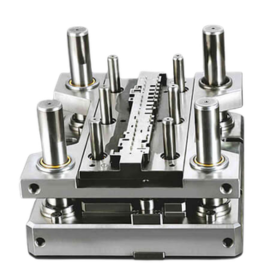
In stamping dies, dowel pins locate punch plates, die plates, and guide components. The pins hold position under high-frequency impact and vibration. Any drift in alignment directly affects cut quality and tool life. This is why hardened dowel pins are common in stamping applications.
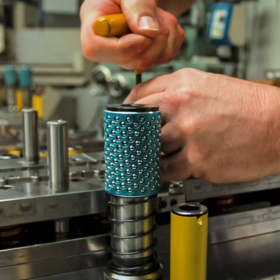
Jigs, fixtures, and inspection gauges depend on dowel pins for repeatable setup. A fixture that locates a workpiece 0.02 mm off will pass that error into every part produced. Dowel pins here are specified with tight tolerance and consistent surface finish to ensure every clamping cycle reproduces the same position.
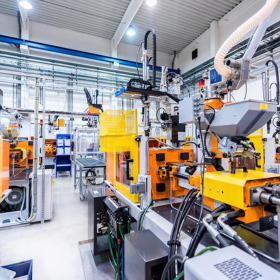
In general mechanical assemblies—gear housings, pump bodies, motor mounts—dowel pins maintain the positional relationship between components that must be assembled, disassembled, and reassembled over the machine’s service life. The pin absorbs shear forces while fasteners provide the clamping force.
- How to Choose Dowel Pin
- Dowel Pin Fit Types
- Dowel Pin Specifications
- Dowel Pin Materials
| Requirement | Recommended Type |
| General precision positioning | Precision Dowel Pins |
| Higher wear resistance | Hardened Dowel Pins |
| Threaded installation or removal | Threaded Dowel Pins |
| Easier pin extraction | Pull Dowel Pins |
| Non-standard dimensions or geometry | Custom Dowel Pins |
The correct fit depends on the pin tolerance, mating-hole tolerance, materials, assembly requirements, and whether the components need to be removed. For precision fits, see precision dowel pin tolerances.
| Fit | Purpose |
| Press Fit | Permanent or semi-permanent positioning |
| Transition Fit | Accurate positioning with controlled assembly/removal |
| Slip Fit | Easy installation and disassembly |
| Parameter | Options |
| Diameter | Standard or custom |
| Length | Standard or custom |
| Tolerance | According to application |
| Material | Application-dependent |
| Hardness | Per material and heat treatment |
| Surface Finish | Per specification |
| Configuration | Plain, threaded, pull, or custom |
| End Geometry | Standard or custom |
| Material | Typical Reason for Selection |
| Hardened Alloy Steel | Strength, wear resistance, precision locating |
| Stainless Steel | Corrosion resistance |
| Carbon Steel | General mechanical applications |
| Brass | Non-magnetic / conductivity / softer mating surfaces |
| Engineering Plastics | Lightweight / insulation / corrosion resistance |
How to Choose Dowel Pins
Match the locating hole size and the positioning interface. The pin diameter should engage the hole with the intended fit—too small creates play, too large makes installation difficult or impossible. Start with the hole, not the pin.
Provide sufficient engagement for stable positioning while fitting within the assembly space. A pin that’s too short won’t hold position reliably; one that’s too long adds unnecessary weight and may interfere with adjacent components.
Reflects the positioning accuracy and fit the assembly requires. Tolerance should be considered together with the mating hole tolerance—not as an isolated number. For tight positioning requirements, see our precision dowel pins.
Selected according to load, wear, mating components, and operating environment. Higher hardness improves wear resistance but may affect toughness. Hardened dowel pins provide higher wear resistance for demanding conditions.
Consider press-fit, threaded installation, pull extraction, or other specified methods. The installation method affects how the pin is assembled, retained, and removed—and often determines which dowel pin configuration you need.
If you need frequent removal for cleaning, replacement, or reconfiguration, choose a configuration with a removal feature. A pull dowel pin or threaded design makes disassembly easier without damaging the pin or the mating hole.
Precision positioning and alignment of mating components in molds, dies, tooling, and mechanical assemblies.
A dowel pin locates—it establishes position. A bolt clamps—it holds components together. They serve different functions and are often used together.
Match diameter, length, tolerance, material, and installation method to your assembly’s positioning and maintenance requirements. See how to choose dowel pins.
Yes. Non-standard dimensions, tolerances, and configurations can be manufactured from your drawing or sample.
Drawing or sample, diameter, length, tolerance, material, configuration, and quantity.
Need dowel pins—standard or custom? Send your specifications. Our team will confirm dimensions, tolerances, and lead time.