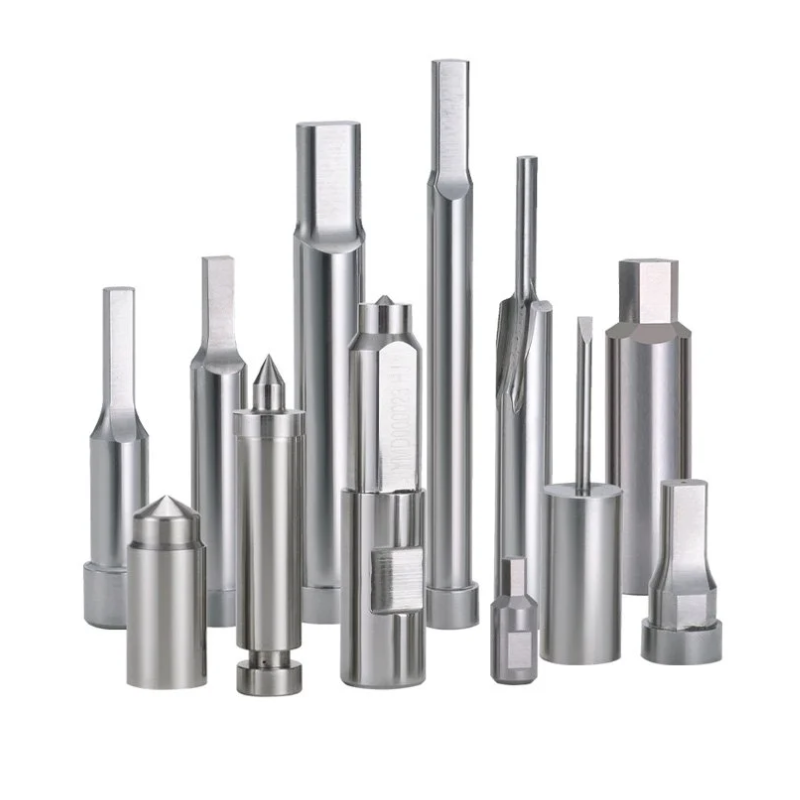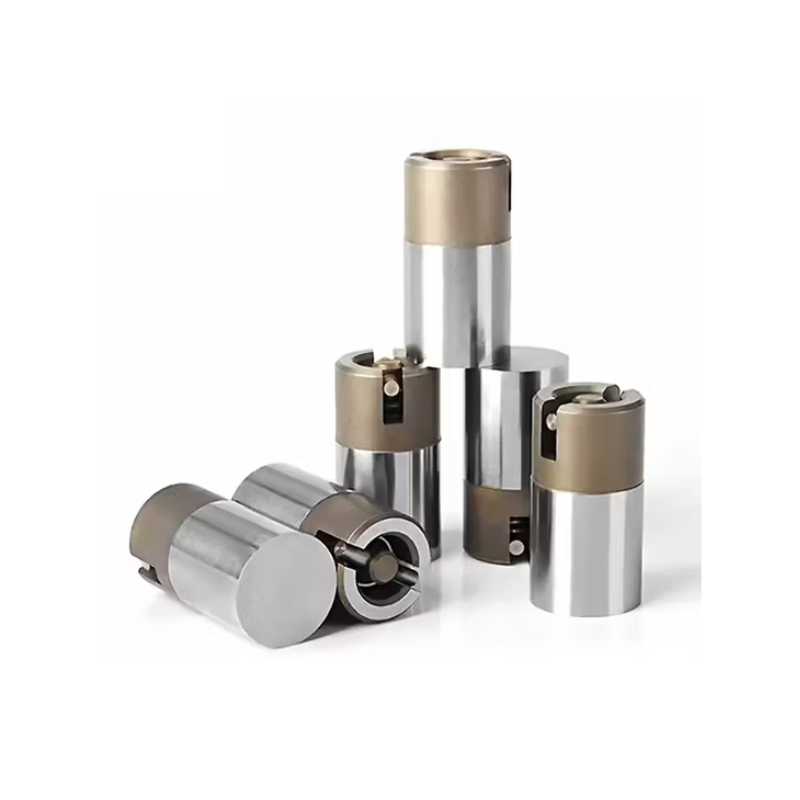
The punch design is not just about choosing a shape. It is about balancing material, geometry, clearance, hardness, and application conditions so the punch survives repeated impact and produces consistent parts. The right design depends on the workpiece material, required hole or form, press characteristics, and production volume.
Quick Answer: Start with the application. For abrasive materials or high-volume stamping, consider carbide punches. For general-purpose or shock-loaded operations, HSS punches offer a good balance of toughness and wear resistance. Stepped punches are used when a smaller working tip needs a larger supporting body. For tablet compression, specialized punches and dies must meet strict dimensional and surface requirements.
What Is a Die Punch?
A die punch is the male tool component that enters a die cavity to cut, form, or shape a workpiece. In stamping and punching operations, the punch works with a die to create holes, slots, or profiles. In tablet manufacturing, punches compress powder inside a die to form tablets.
The punch is one of the most highly stressed components in the tool. Its design directly affects part quality, tool life, and maintenance frequency.
Key Factors in Die Punch Design
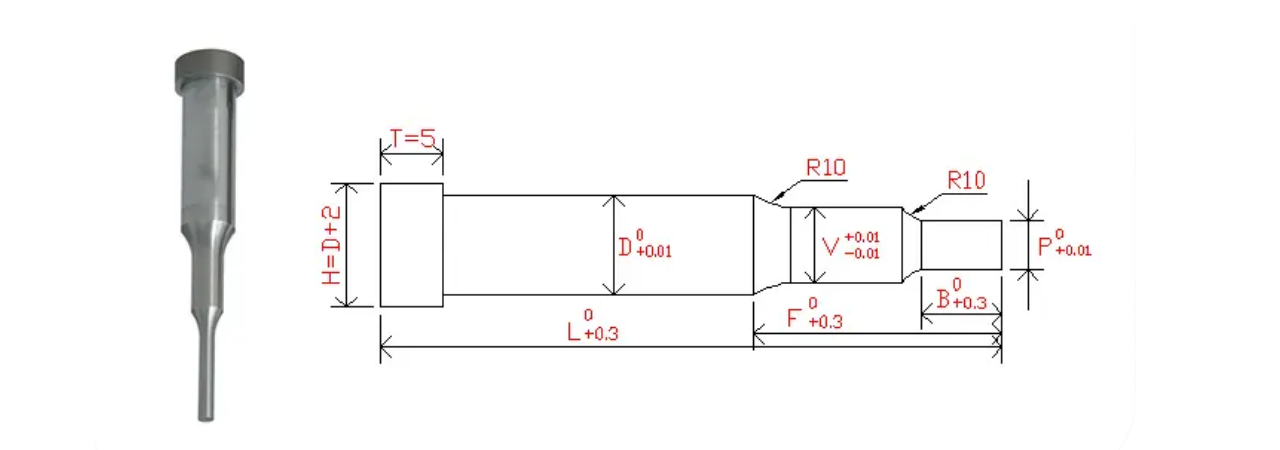
Every die punch design must consider the following factors before finalizing dimensions and material.
1. Material Selection
Material choice depends on the workpiece material, production speed, and required wear resistance. Common punch materials include:
- High-Speed Steel (HSS): Good toughness and wear resistance. Suitable for general stamping and moderate production runs. HSS Punches are widely used where impact loads are significant.
- Carbide: Excellent wear resistance and compressive strength, but more brittle than HSS. Carbide Punches are preferred for abrasive materials, high-speed stamping, and long production runs.
- Tungsten Carbide: A type of carbide with very high hardness. Tungsten Carbide Punches are used in extreme wear applications where tool life is critical.
For less demanding applications, standard tool steels may also be used, but the product range at HTX Precision focuses on performance materials. Browse our full Punch Components range for more options.
2. Punch Geometry
The working end geometry must match the required feature. Common configurations include flat, pointed, radiused, or custom profiles. For punching operations, the punch tip shape affects cutting force and part quality.
Stepped Punches are used when the working diameter is small, but the punch body must be larger for strength and stability. The step reduces deflection and improves tool life.
3. Clearance and Fit
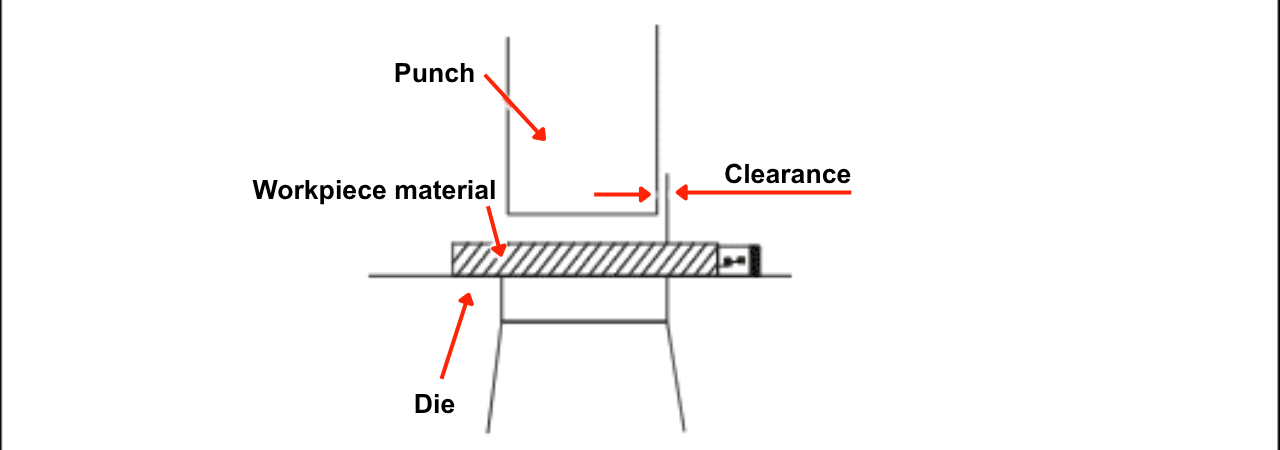
Punch-to-die clearance is critical for cutting operations. Too little clearance causes excessive wear and galling. Too much clearance produces burrs and poor edge quality. The correct clearance depends on the material type, thickness, and hardness.
In precision tooling, clearance is typically expressed as a percentage of material thickness. However, specific values must be confirmed through engineering calculation or testing.
4. Hardness and Surface Treatment
Punch hardness must be balanced with toughness. A very hard punch resists wear but may chip or break under shock load. Surface treatments such as nitriding, TiN, or other coatings can reduce friction and improve wear resistance without changing the core toughness.
For Stamping Die Punches, hardness and surface finish are critical because the punch is subjected to repeated impact and sliding contact.
5. Length and Buckling Resistance
Long, slender punches are prone to buckling. The unsupported length should be minimized, and the punch body diameter should be increased where possible. Stepped designs help by providing a larger body while keeping a small working tip.
Bending stiffness scales with the fourth power of diameter, so even small increases in body diameter can significantly improve stability.
Types of Die Punches
HTX Precision manufactures several punch types for different applications. The table below summarizes the main options and their typical uses.
| Punch Type | Main Feature | Typical Application |
|---|---|---|
| Carbide Punches | Excellent wear resistance, high hardness | High-volume stamping, abrasive materials |
| HSS Punches | Good toughness and wear resistance | General stamping, shock-loaded operations |
| Stepped Punches | Small tip with larger supporting body | Small holes, precision features, long reach |
| Stamping Die Punches | Designed for stamping dies | Sheet metal punching, forming, blanking |
| Tungsten Carbide Punches | Very high hardness, extreme wear resistance | Severe wear applications, long production runs |
| Dies and Punches for Tableting | Precision-ground for tablet compression | Pharmaceutical and industrial tablet production |
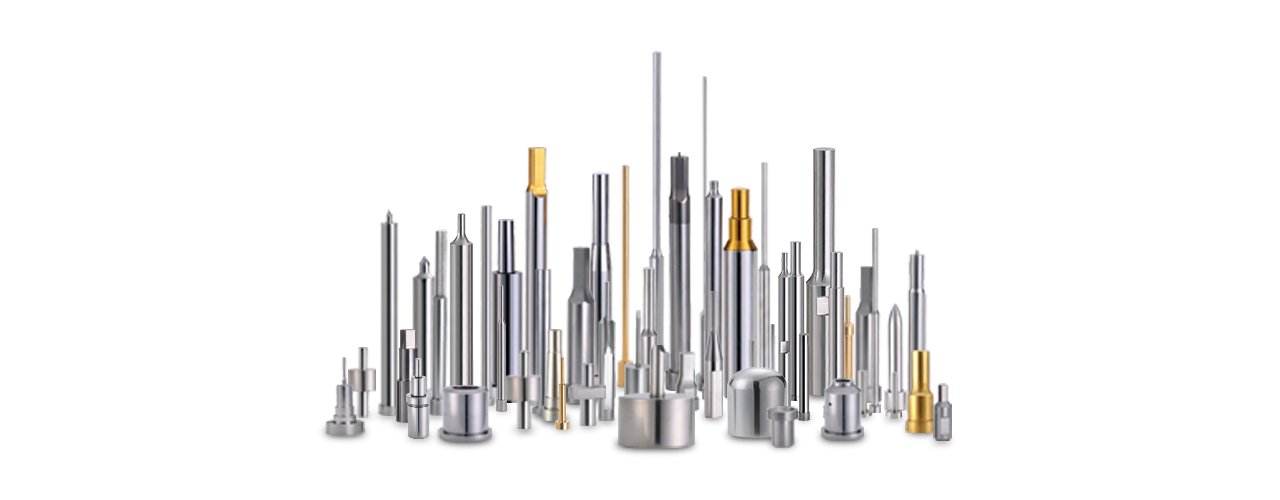
Each punch type has specific design considerations, but all share the same goal: consistent performance over the required tool life.
How to Choose the Right Die Punch Design
Use this checklist to narrow down your punch design options.
Step 1: Identify the operation. Is it cutting, forming, piercing, or tablet compression?
Step 2: Determine the workpiece material and thickness. Abrasive or high-strength materials require harder punch materials.
Step 3: Estimate production volume. High volumes justify higher-cost materials like carbide or tungsten carbide.
Step 4: Check the required feature size. Small holes or narrow features may require stepped punches to prevent bending.
Step 5: Confirm the press and tool holder dimensions. The punch shank must fit the existing tooling system.
Step 6: Define tolerance and surface finish requirements. Precision applications need tighter tolerances and smoother surfaces.
Step 7: Consult with the manufacturer. Send your drawing or sample for engineering review.
Common Die Punch Design Mistakes
| Mistake | Consequence |
|---|---|
| Selecting material based only on hardness | Chipping or breakage under shock load |
| Ignoring punch-to-die clearance | Burrs, galling, and excessive wear |
| Using a long, slender punch without support | Buckling and premature failure |
| Over-specifying carbide for a simple job | Unnecessary cost and handling risk |
| Neglecting surface finish on tablet punches | Sticking, weight variation, and production issues |
| Not considering maintenance and replacement | Extended downtime and higher total cost |
A well-designed punch is not just the one that cuts the part. It is the one that can be manufactured consistently and maintained economically.
Custom Die Punch Design
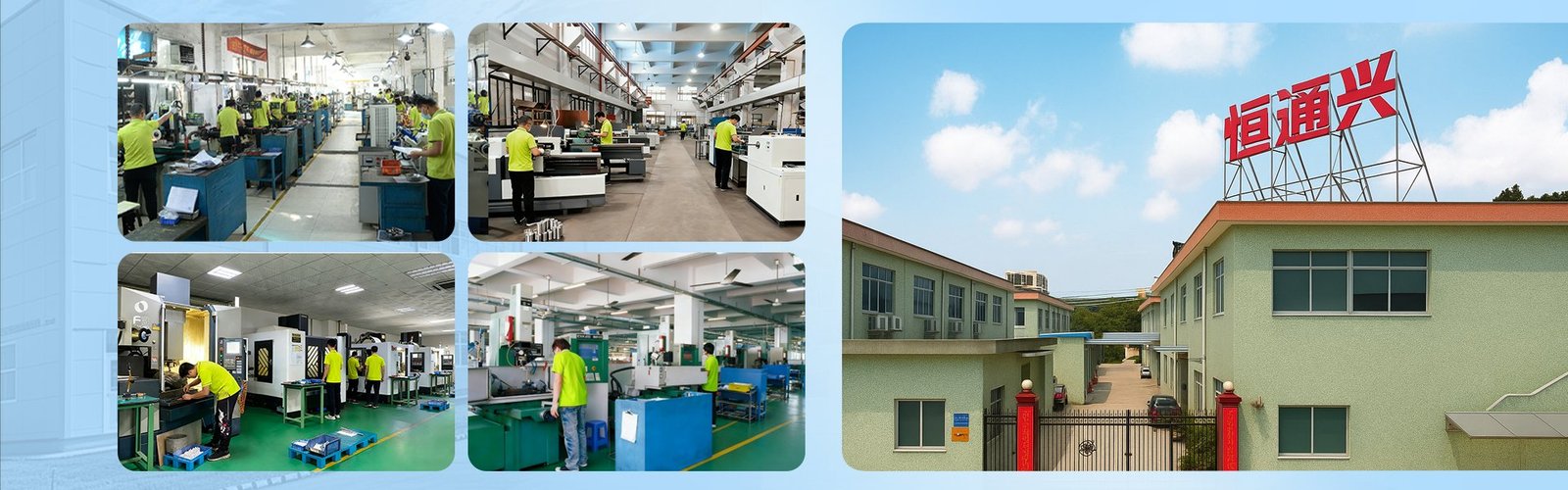
Standard punches work for many applications, but custom designs are often required for complex profiles, tight tolerances, or special materials. HTX Precision manufactures custom punches according to your drawings or samples.
Custom specifications may include:
- Working diameter and length
- Head or shank configuration
- Step dimensions
- Tip geometry
- Material and hardness
- Surface treatment
- Tolerance requirements
For tablet tooling, Dies and Punches for Tableting are manufactured to meet strict pharmaceutical or industrial standards. Dimensional consistency and surface finish are critical for tablet weight and hardness control.
Die Punch Design and Tool Life
Tool life is not determined by material alone. Design, clearance, lubrication, and maintenance all play a role. A well-designed punch with proper clearance and surface treatment can significantly outlast a poorly designed punch made from a “better” material.
When evaluating a punch design, consider the total cost per part, not just the initial price. A higher-performance punch may cost more but reduce downtime, scrap, and replacement frequency.
FAQ
What is the most important factor in die punch design?
The most important factor is matching the punch material and geometry to the specific application. The workpiece material, production volume, and required part quality determine the best design.
Should I choose carbide or HSS punches?
Choose HSS punches when toughness and impact resistance are priorities, especially for shock-loaded operations. Choose carbide or tungsten carbide punches for high-volume, abrasive applications where wear life is critical.
When should I use a stepped punch?
Use a stepped punch when the working tip is small and prone to bending. The larger body provides support while the small tip creates the required feature.
What clearance should I use between punch and die?
Clearance depends on material type and thickness. It must be calculated for each application. Too little clearance causes galling; too much clearance produces burrs.
Can custom die punches be made to my drawing?
Yes. HTX Precision manufactures custom punches according to customer drawings or samples. Submit your specifications for a technical review.
Are punches for tablet compression different from stamping punches?
Yes. Tablet punches must meet specific dimensional, surface finish, and material requirements to ensure consistent tablet weight, hardness, and appearance. They are manufactured to pharmaceutical or industrial standards.
Get Your Die Punch Design Right
Send us your part drawing, punch dimensions, or application details. Our engineers will review the design and recommend the correct punch type, material, and tolerance for your production requirements.
Contact HTX Precision today to discuss your die punch design.