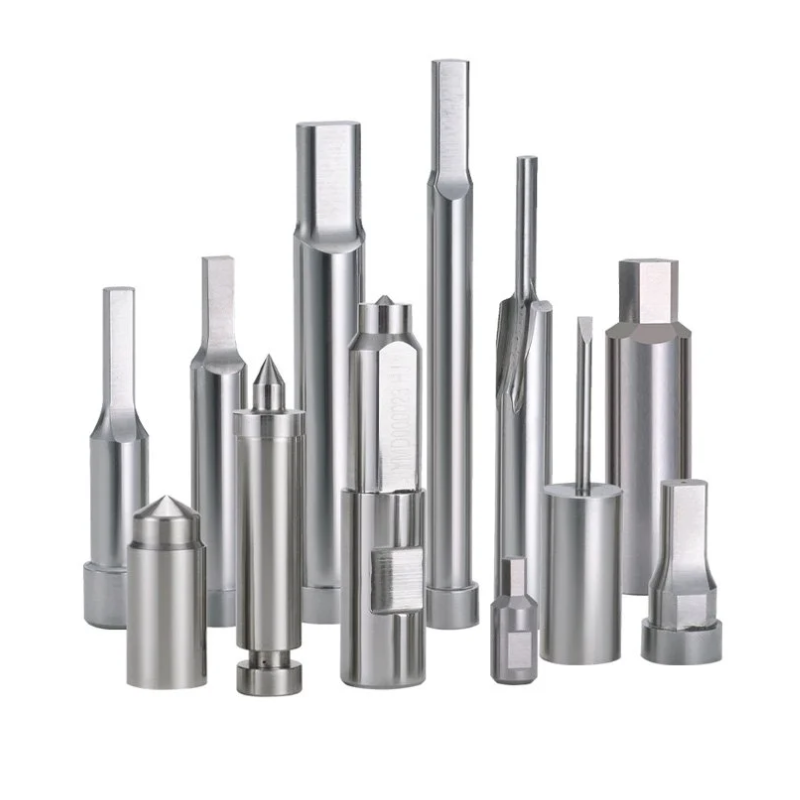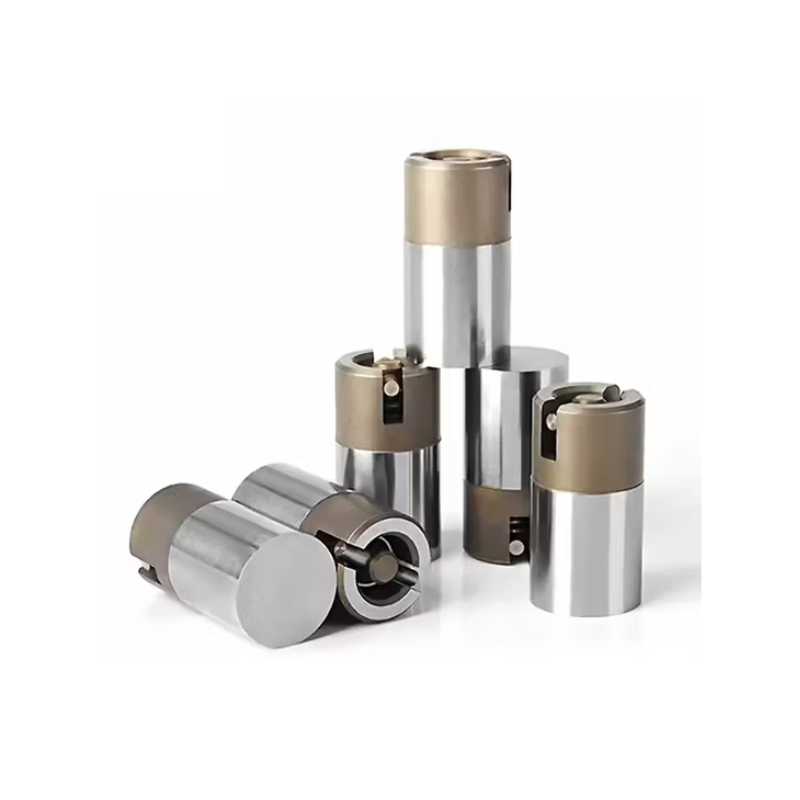
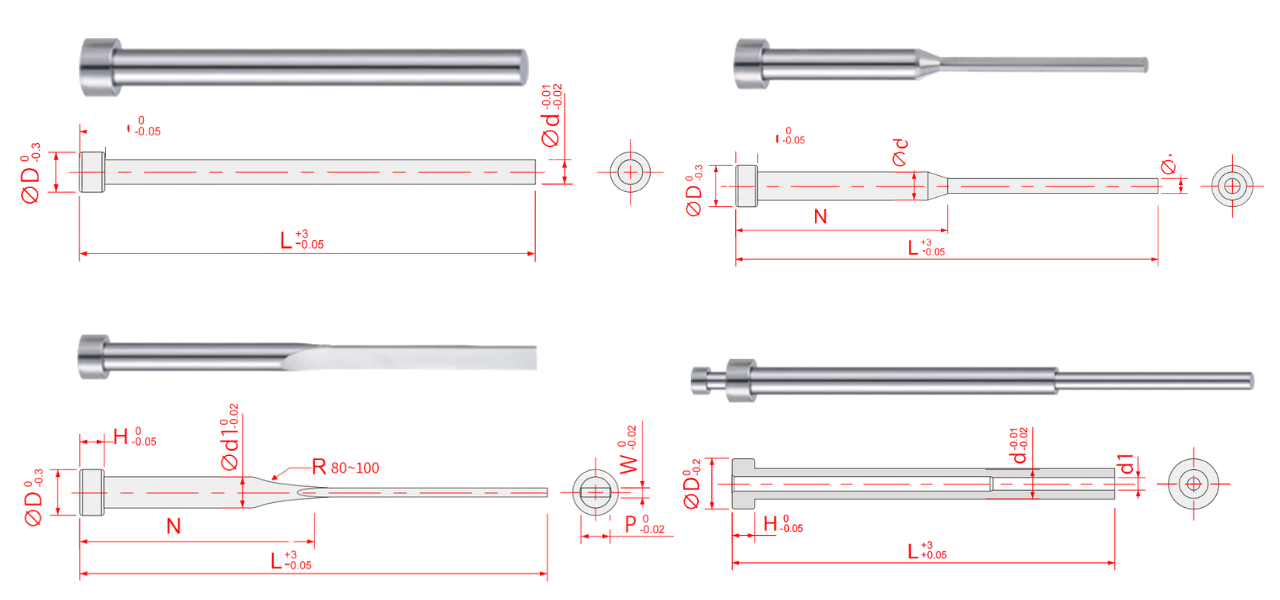
Ejector pin size is typically defined by the pin diameter, overall length, head dimensions, and tip geometry. The correct size depends on the molded part geometry, required ejection force, available space in the mold, ejector plate design, and required fit and clearance.
Ejector pins are available in different metric and inch size systems, as well as various standard and custom configurations. For non-standard dimensions, customers can provide a drawing or specification for confirmation before production.
What Dimensions Define an Ejector Pin?
Ejector pin size is not determined by diameter alone. Depending on the pin design, the main dimensions may include:
| Dimension | Description |
|---|---|
| Pin Diameter | Diameter of the main working shaft |
| Overall Length | Total length of the ejector pin |
| Head Diameter | Diameter of the pin head used for positioning and support |
| Head Thickness | Thickness of the head interface |
| Tip Diameter / Width | Working-end dimension where applicable |
| Step Dimensions | Additional dimensions on stepped ejector pins |
| Shoulder Dimensions | Shoulder diameter and related dimensions |
| Tip Geometry | Flat, stepped, angled, radius or other custom configurations |
How Is an Ejector Pin Size Specified?
For a standard straight ejector pin, the basic specification is commonly expressed through:
Diameter × Length
For example, a customer may specify an ejector pin by its shaft diameter and overall length, together with the required standard, material, hardness, tolerance, and head configuration.
For stepped, shoulder, blade, or other specially shaped ejector pins, additional dimensions are required to define the working geometry and installation interface.
Important: The same diameter and length do not necessarily define a complete ejector pin specification. Material, heat treatment, head configuration, tip geometry, tolerance, and mold standard may also need to be confirmed.
Metric and Inch Ejector Pin Sizes
Ejector pins may be specified using metric or inch dimensions, depending on the mold design, tooling standard, and replacement requirements.
Metric systems are commonly specified in millimeters, while inch-based tooling may use fractional or decimal-inch dimensions. Standard component catalogs from major mold-component suppliers show both metric and inch configurations.
When replacing an existing ejector pin, the safest approach is to match the original:
- Diameter
- Length
- Head dimensions
- Pin type
- Mold standard
- Material
- Tolerance
- Tip configuration
Do not assume that a metric and inch pin with similar nominal dimensions are interchangeable.
How to Choose the Right Ejector Pin Diameter
The ejector pin diameter should provide sufficient support for the required ejection force while fitting the available part geometry and mold structure.
Consider:
- Part Geometry: The available contact area on the molded part limits how large the pin can be.
- Ejection Force: Higher ejection loads may require a larger or more suitable ejector pin configuration.
- Pin Length: A small-diameter pin combined with a long unsupported length can increase the risk of bending or deflection.
- Mold Space: The pin must fit within the available core, ejector plate, cooling channels, and surrounding components.
- Part Appearance: For cosmetic surfaces, the pin size and position should be selected carefully to minimize visible ejector marks.
Is a Larger Ejector Pin Always Better?
No. A larger ejector pin can provide greater contact area and stiffness, but it must still fit the molded-part geometry and mold structure.
An oversized pin may:
- Interfere with other mold components
- Reduce available space for cooling channels
- Affect part appearance
- Require changes to the mold design
Therefore, ejector pin diameter should be selected according to the part, mold, load, and installation conditions, rather than simply choosing the largest available size.
How to Choose the Right Ejector Pin Length
Overall ejector pin length should be matched to the mold assembly and ejector system.
Important considerations include:
- Mold stack dimensions
- Ejector plate position
- Required ejection stroke
- Pin head configuration
- Working length
- Installation depth
- Available support along the pin
Ejector Pin Length vs. Ejection Stroke
Ejector pin length and ejection stroke are not the same dimension. The pin length defines the physical size of the component, while the ejection stroke describes how far the ejector system moves during the ejection cycle.
Do Different Ejector Pin Types Require Different Dimensions?
Yes. Different ejector pin designs have different dimensional requirements.
| Ejector Pin Type | Main Dimensions to Consider |
|---|---|
| Straight Ejector Pin | Diameter, length, head dimensions |
| Step Ejector Pin | Shaft diameter, step diameter, length |
| Shoulder Ejector Pin | Shaft diameter, shoulder diameter, length |
| Blade Ejector Pin | Blade width, thickness, length |
| Square Ejector Pin | Width, thickness, length |
| Nitrided Ejector Pin | Base dimensions plus surface treatment requirements |
Ejector Pin Size Is Only One Part of the Specification
Before ordering or replacing an ejector pin, confirm the following:
- Basic Dimensions: Diameter, length, head dimensions, tip dimensions
- Design: Straight, step, shoulder, blade, square, or other custom geometry
- Material: Depending on the application, ejector pins may be manufactured from different tool steels or other suitable materials.
- Heat Treatment: Hardness and heat treatment should be selected according to wear, load, temperature, and application requirements.
- Surface Treatment: Options may include nitriding or other treatments where appropriate.
- Tolerance: The required dimensional tolerance should be confirmed based on the mold design and required fit.
Ejector Pin Tolerance and Fit
The required ejector pin tolerance depends on the mold design, pin diameter, installation condition, material, operating temperature, and required fit.
For replacement or custom ejector pins, the required tolerance and mating dimensions should be confirmed against the mold drawing or existing component specifications.
For specific diameter, length, tolerance, clearance, or dimensional requirements, contact HTX Precision for confirmation before ordering.
Ejector Pin Size Selection Checklist
Before requesting a quote, prepare:
- Ejector pin type
- Diameter
- Overall length
- Head diameter
- Head thickness
- Tip geometry
- Step or shoulder dimensions
- Metric or inch specification
- Material
- Heat treatment
- Surface treatment
- Required tolerance
- Existing mold/component drawing
Don’t have all the dimensions? That’s OK. Send us your existing drawing, sample specification, or photos with available dimensions. Our team can review the requirements and confirm the manufacturable specification.
Custom Ejector Pins in Your Required Size
Standard ejector pins are suitable for many injection molding applications, but custom dimensions may be required for replacement parts, special mold structures, or non-standard designs.
HTX Precision can manufacture ejector pins according to customer drawings and specifications, including customized:
- Diameter
- Length
- Head dimensions
- Step dimensions
- Shoulder dimensions
- Tip geometry
- Material
- Heat treatment
- Surface treatment
- Tolerance requirements
For exact dimensions and tolerance requirements, please send your drawing or specification to HTX Precision for confirmation.
FAQ
What are the most common ejector pin sizes?
Ejector pins are available in a range of metric and inch diameters and lengths. The appropriate size depends on the mold design and application. For exact available sizes, contact the manufacturer with your requirements.
How do I choose the right ejector pin size?
Consider the pin type, diameter, length, ejection force, part geometry, mold space, and required fit.
Are ejector pins available in metric sizes?
Yes. Metric ejector pins are widely used in injection molding, alongside inch-based specifications.
Can ejector pins be made to custom sizes?
Yes. Custom diameter, length, head, tip, step, shoulder, and other dimensions can be manufactured according to drawings.
What information do I need to order ejector pins?
Provide the pin type, diameter, length, head dimensions, material, tolerance, and any special tip or surface-treatment requirements. A drawing is preferred when available.
What if I don’t know the exact ejector pin size?
Send the existing component drawing, mold drawing, sample specifications, or available measurements. The required dimensions can then be reviewed and confirmed.
Need a specific ejector pin size? Contact HTX Precision with your drawing or required dimensions for technical confirmation.