
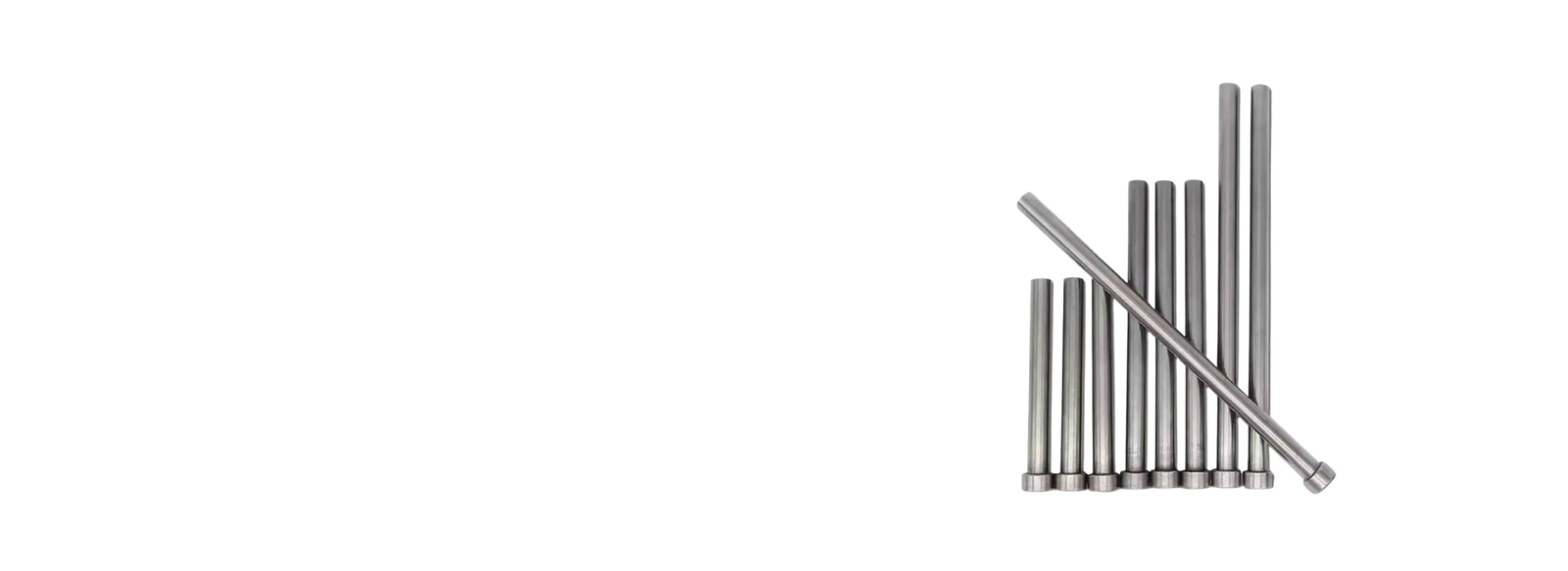
SKD61 Ejector Pin Quick Facts
| Item | Details |
| Product | SKD61 Ejector Pin |
| Material | SKD61 / H13 hot-work tool steel |
| Application | Injection mold ejection systems |
| Standard Diameter Range | 0.8 mm – 25 mm |
| Standard Length Range | 100 mm – 500 mm |
| Stock Availability | Common sizes in stock |
| Standard Lead Time | 3 working days |
| Hardness | Confirmed per application |
| Surface Treatment | Optional nitriding |
| Customization | Drawing-based OEM |
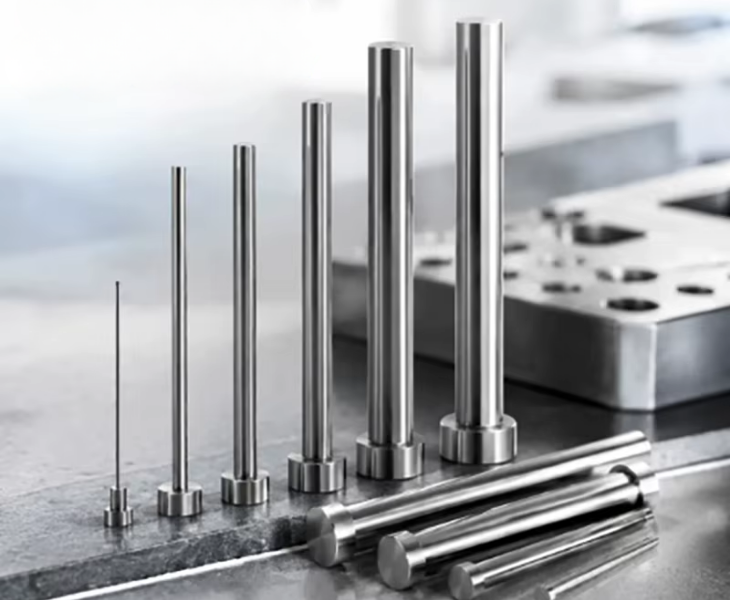
What Is an SKD61 Ejector Pin?
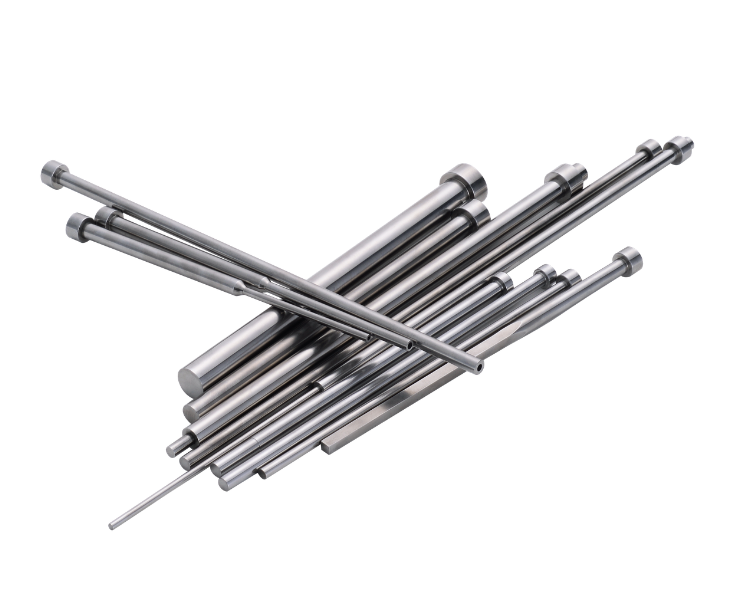
SKD61 ejector pins are precision mold components made from SKD61 hot-work tool steel, designed to eject plastic parts from the core after each molding cycle. SKD61 offers the balance of toughness, thermal stability, and wear resistance required for most injection molding applications.
Why Is SKD61 Used for Ejector Pins?
SKD61 is commonly used for ejector pins because it provides a balanced combination of toughness, wear resistance, thermal stability, and dimensional stability for repeated injection molding cycles.

Ejector pins take repeated impact during ejection. SKD61 keeps enough toughness to absorb ejection shock without breaking.

The ejector pin repeatedly moves through the mold plate, ejector plate, and guide/bore system during molding cycles. SKD61 resists surface wear in most production runs—nitriding extends this resistance further when needed.

Injection molds constantly cycle between hot and cold, and high-volume production means millions of ejection cycles. SKD61 is engineered to withstand repeated thermal stress and maintain consistent performance under continuous operation.

After heat treatment and long production runs, SKD61 pins hold their dimensions. This prevents ejection problems and part defects caused by pin growth or warping.
Material, Heat Treatment & Hardness
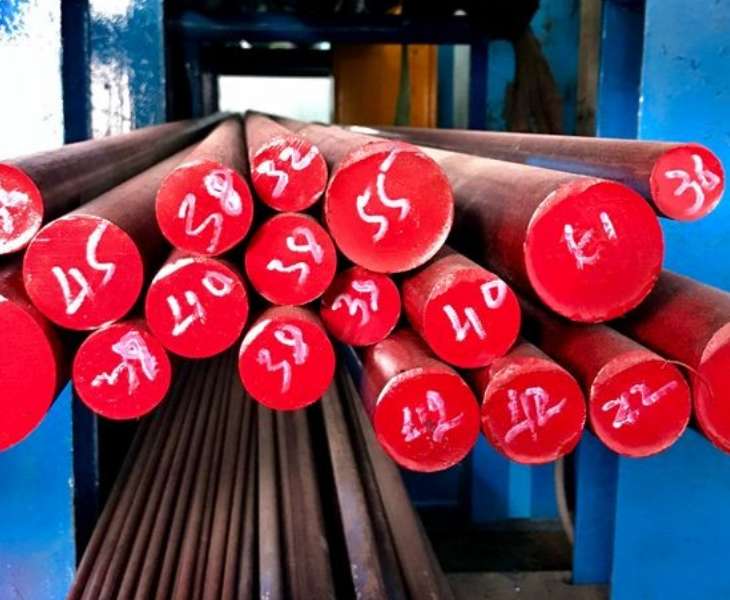
Raw SKD61 becomes a working ejector pin through controlled processing. The process matters as much as the material.
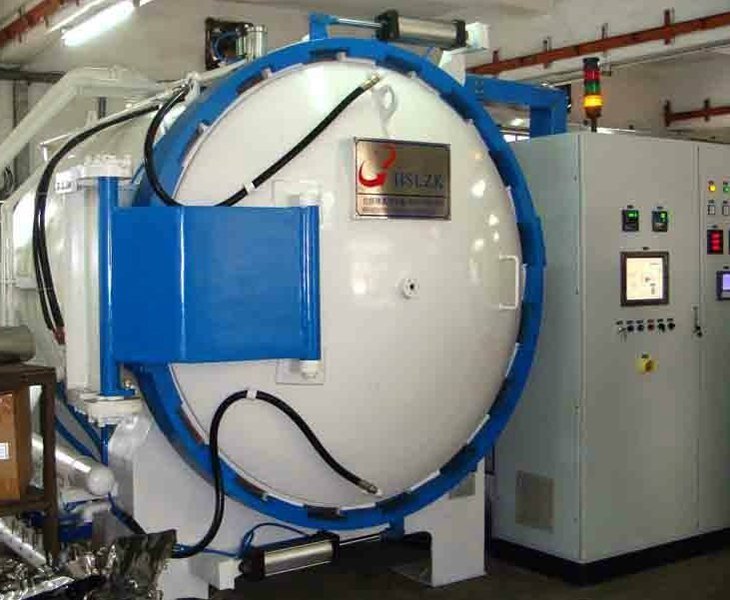
SKD61 Material → CNC Machining → Vacuum Heat Treatment → Precision Grinding → Optional Nitriding → Final Inspection
Heat Treatment
Vacuum quenching and tempering bring the pin to the target hardness while keeping the core tough and minimizing distortion.
Hardness
Hardness is specified according to pin diameter, application, and customer requirements. Contact our engineering team to confirm the right hardness range for your mold.
Should SKD61 Ejector Pins Be Nitrided?
SKD61 can be used without nitriding; however, for high-volume production or abrasive operating conditions, nitriding can significantly extend the service life of the ejector pins.
Standard SKD61 (No Nitriding)
General injection molding with moderate wear conditions. Balanced performance at lower cost.
SKD61 + Nitriding
Nitriding the surface of the ejector pin increases surface hardness while maintaining core toughness. It is suitable for high-volume production and applications involving minor abrasion or friction-related wear.
Standard pins are also available with nitriding. For detailed nitriding parameters, see our [Nitrided Ejector Pin page →].
Available Standard SKD61 Ejector Pin Sizes
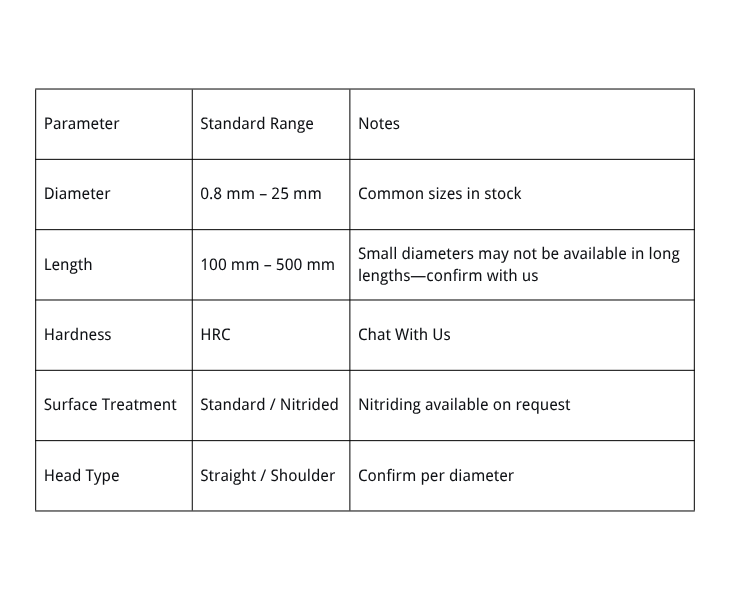
HTX maintains selected standard SKD61 ejector pin sizes for short-lead-time shipment. The correct SKD61 ejector pin size depends primarily on pin diameter, length, ejection load, mold space, guidance condition, and required service life. The table below shows our standard range. For sizes outside this range, custom production is available.
How to Choose an SKD61 Ejector Pin Size?
The right SKD61 ejector pin size depends on diameter, length, ejection load, and guidance condition. A quick check:
Diameter — Largest size that fits the ejection point and mold space.
Length — Covers mold stack height plus required stroke. Long, thin pins buckle more easily.
Load — Higher ejection force needs larger diameter or more pins.
Guidance — Well-guided pins can safely run longer than poorly supported ones.
For a complete selection guide covering pin quantity, placement, and buckling calculations, see our full article: [Ejector Pin Sizes: A Complete Selection Guide →]
Custom SKD61 Ejector Pins
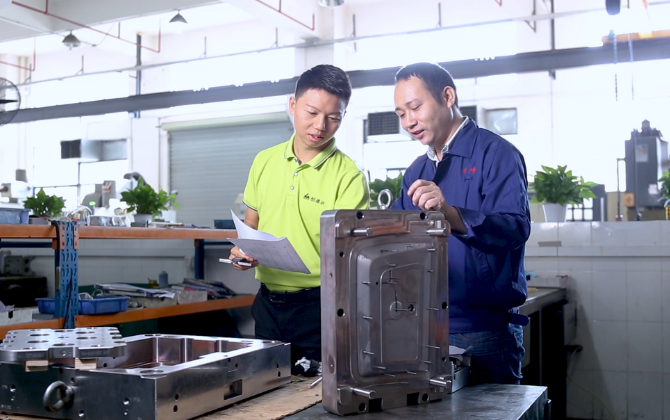
Need a size outside the standard range? HTX produces custom SKD61 ejector pins according to your drawing or sample.
For custom SKD61 ejector pins, customers can provide a 2D drawing, 3D drawing, existing sample, or dimensional specification. HTX reviews the drawing before confirming manufacturability, tolerance, material, and processing requirements.
- Diameter and length
- Head type and dimensions
- Hardness specification
- Tolerance level
- Surface treatment (nitriding, coating)
- Special geometry
SKD61 Ejector Pin Applications
SKD61 ejector pins are commonly used in injection molds for automotive, electronic, industrial, and other high-cycle plastic components.
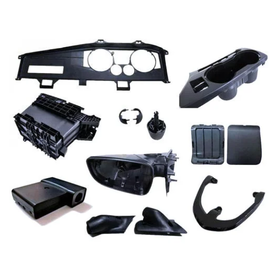
High-volume automotive molds run hot and run long. Interior trim, housings, and functional components demand millions of ejection cycles under continuous thermal stress. SKD61’s toughness keeps pins intact under repeated impact, while its thermal stability prevents the dimensional drift that causes ejection misalignment in large multi-cavity tools.
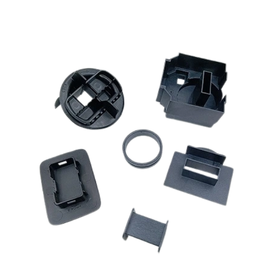
Connectors, micro-housings, and precision covers often have thin walls and tight tolerances. Ejection marks, pin bending, or dimensional drift directly affect part fit and electrical contact. SKD61’s dimensional stability after heat treatment keeps ejection precise over long runs, reducing the defect rate in high-density electronic molds.
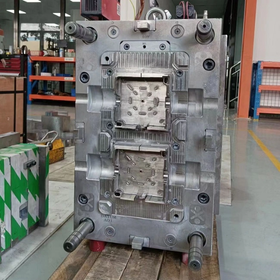
Industrial molding covers a wide range of resins and part sizes. Some run PP and PE at moderate volume; others run engineering resins in demanding conditions. SKD61 works across this range because it’s not specialized for one condition—it provides reliable toughness, acceptable wear resistance, and predictable behavior across varied production environments.
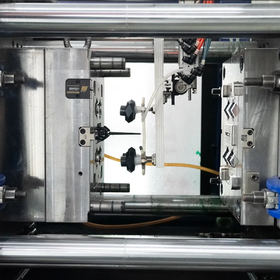
High-cycle molds are SKD61’s natural operating range. When a mold runs 24/7 with short cooling times, ejector pins experience the fastest thermal cycling and the most frequent mechanical loading. SKD61 resists the micro-cracking that thermal fatigue causes in other steels, and its predictable wear pattern lets maintenance teams plan regrinds instead of reacting to sudden failures.

- Common SKD61 Ejector Pin Problems & Solutions
- Standard vs Custom SKD61 Ejector Pins.
Problem | Typical Cause | Prevention |
Bending | Excessive lateral load | Increase diameter / improve guidance |
Breakage | Excessive load/stress concentration | Check geometry and alignment |
Premature wear | Friction / abrasive resin | Nitriding/material selection |
Sticking | Insufficient clearance | Check fit and surface finish |
Ejector marks | Excessive local ejection force | Optimize pin diameter and layout |
| Parameter | Standard | Custom |
| Material | SKD61 / H13 | SKD61 / H13 |
| Diameter | 0.8 – 25 mm | Per drawing |
| Length | 100 – 500 mm | Per drawing |
| Hardness | HRC (Chat with Us) | Per requirement |
| Tolerance | Standard | Per drawing |
| Surface Treatment | Optional nitriding | Nitriding/coating |
| Lead Time | 3 working days | Per order confirmation |
Hardness is specified according to pin diameter, application, and customer requirements. Contact our engineering team to confirm the right range for your mold.
Bending and breakage are rarely material-only problems. Diameter, unsupported length, alignment, and ejection force all matter as much as the steel grade. SKD61 provides good toughness, but it cannot compensate for poor mold design or excessive load.
Diameter, length, head type, quantity, hardness requirement, and whether nitriding is needed. A drawing or sample is always helpful.
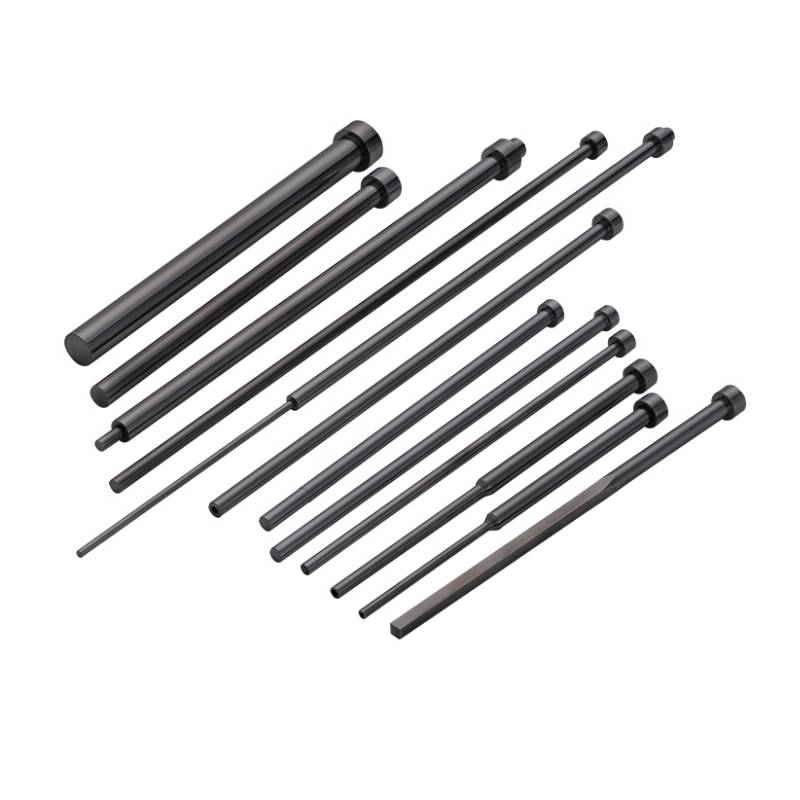
Surface-Hardened for High-Wear Molding
Nitrided ejector pins with a hard surface layer and tough core for high-cycle production and abrasive resin applications.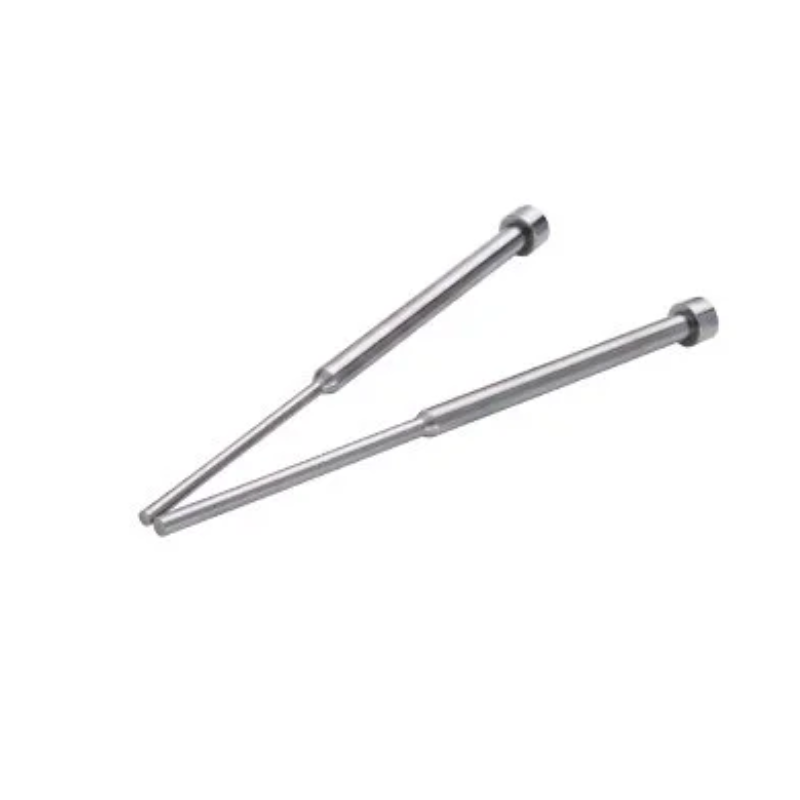
Small Tip, Stronger Support Shaft
Stepped-diameter ejector pins for tight ejection points requiring bending resistance and controlled stroke.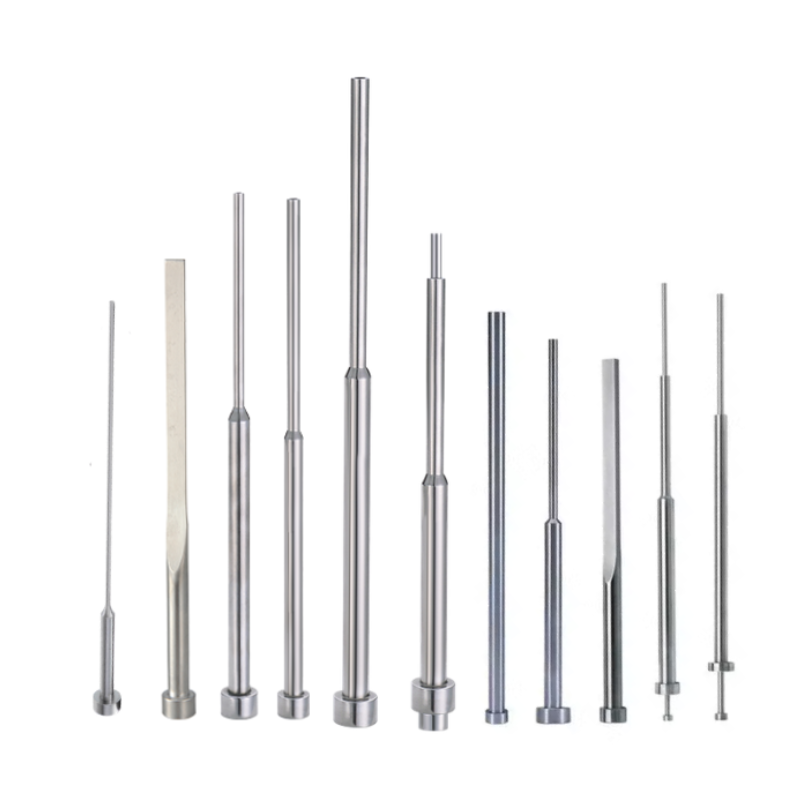
Precision Stroke Control for Multi-Cavity Molds
Shouldered ejector pins providing uniform ejection height and stable alignment across multi-cavity mold layouts.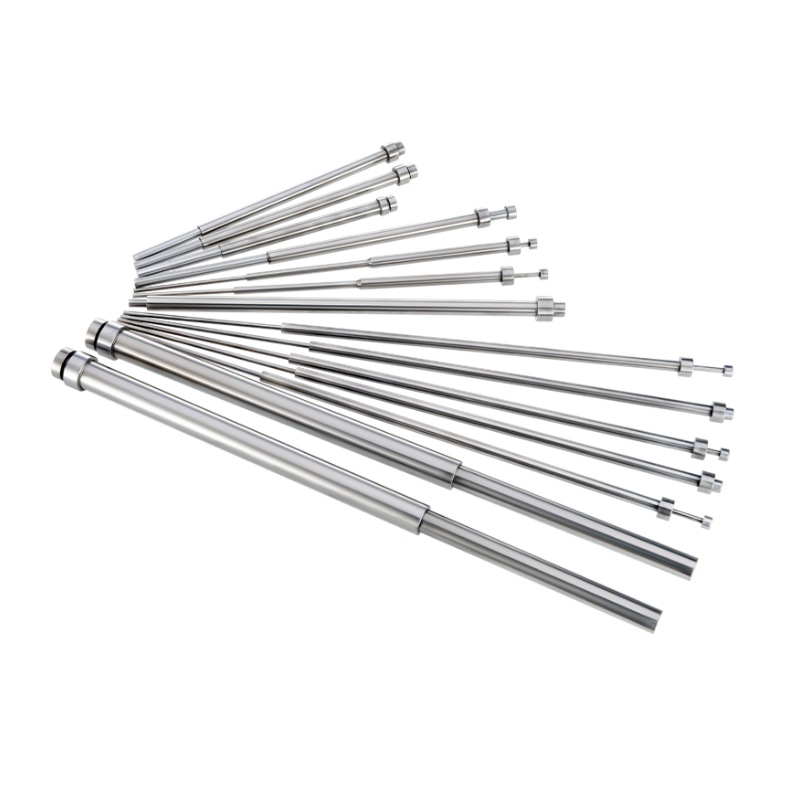
Circumferential Ejection for Cylindrical Features
Ejector sleeves designed for bosses, cores, and cylindrical features requiring even, balanced ejection force.
What You Need to Know About SKD61 Ejector Pins?
SKD61 vs SKH51 Ejector Pin
| Factor | SKD61 | SKH51 |
| Steel Type | Hot-work tool steel | High-speed steel |
| Toughness | Generally higher | Generally lower |
| Wear Resistance | Good | High |
| Thermal Cycling | Strong | Good |
| General Injection Molding | Suitable | Suitable |
| Abrasive Resin | May require surface treatment | Often considered |
| Cost | Generally lower | Generally higher |
SKD61 is generally selected when a balance of toughness, thermal performance and wear resistance is required. SKH51 may be considered when wear resistance is the primary requirement.
SKD61 Ejector Pin vs Standard Ejector Pin
| Factor | Standard Ejector Pin | SKD61 Ejector Pin |
| Material | Application dependent | SKD61 tool steel |
| Toughness | Depends on material | High |
| Thermal Performance | Material dependent | Suitable for injection mold cycling |
| Wear Resistance | Material dependent | Good |
| High-Cycle Use | Depends on grade | Suitable |
“Standard ejector pin” describes a product type, while SKD61 identifies the steel grade used to manufacture the pin.
What to Check When Choosing an SKD61 Ejector Pin Manufacturer?
| Factor | Why It Matters |
| Steel Grade | Determines material performance |
| Heat Treatment | Affects hardness and toughness |
| Grinding Accuracy | Controls diameter and straightness |
| Ball/Pin Surface Finish | Affects friction and wear |
| Inspection | Confirms dimensional consistency |
| Custom Capability | Important for non-standard molds |
| Material Certificate | Supports traceability |
| Lead Time | Important for mold production schedules |