
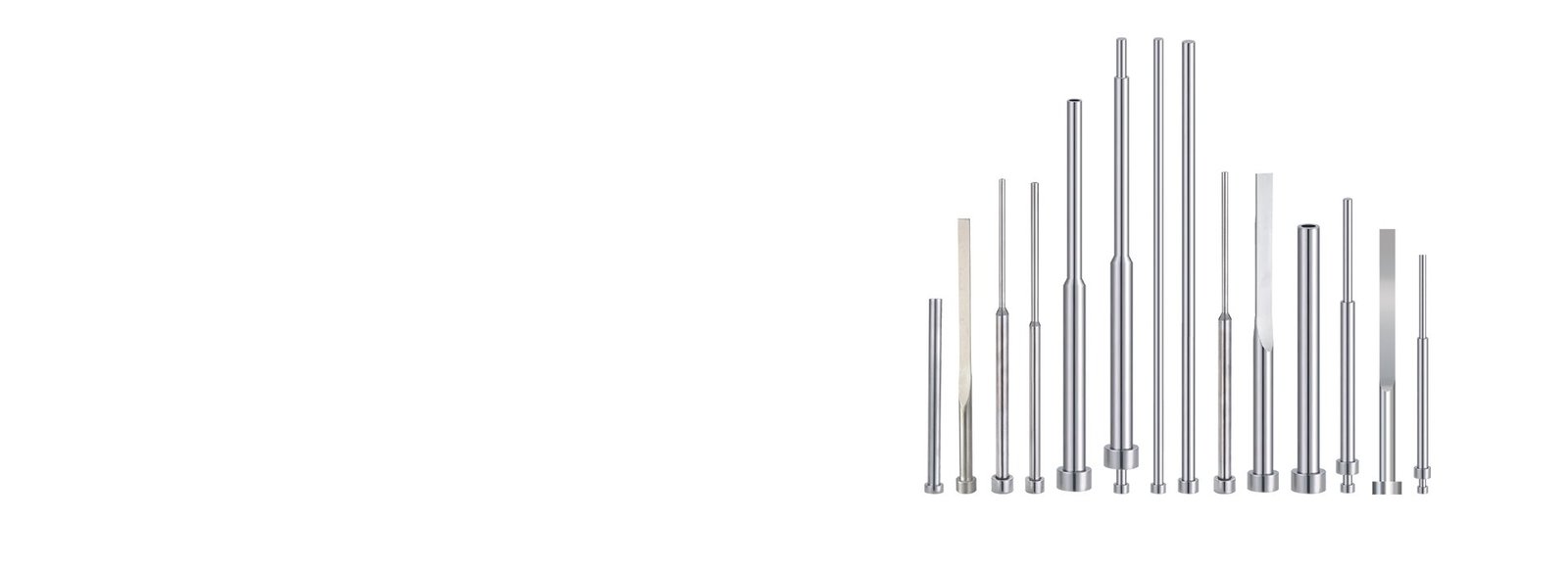
What Are Ejector Pins in Injection Molding?
As a professional manufacturer, HTX specializes in the design and manufacture of ejector pins, with over 23 years of experience in injection molding. Ejector pins are crucial components responsible for smoothly ejecting the molded plastic part from the cavity after mold opening. Suitable for high-frequency production, multi-cavity molds, and injection molding applications requiring high molding stability. Let your production flow smoothly and maintain product quality.
By selecting appropriate ejector pin design and materials, HTX can effectively help you prevent product deformation, ejector pin damage, pin breakage, and frequent mold downtime for maintenance caused by uneven ejection.
Contact us for the best solution.
Common Ejector Pin Types in Injection Molding
Select the suitable ejector pin type based on the mold structure and product characteristics.
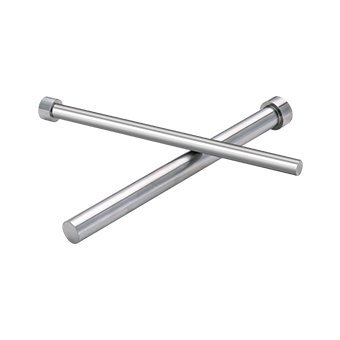
The most commonly used standard ejector pins. Straight ejector pins are simple in structure, highly versatile, and can meet the ejection requirements of most conventional injection molds.
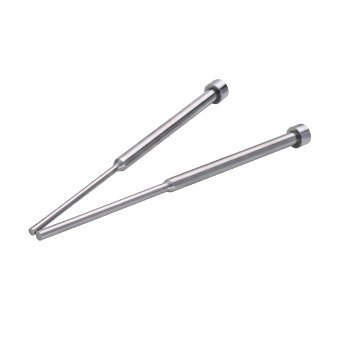
These ejector pins feature a built-in step design, allowing for precise control of the ejection stroke length without relying on external limiting devices, preventing over-travel and mold damage.
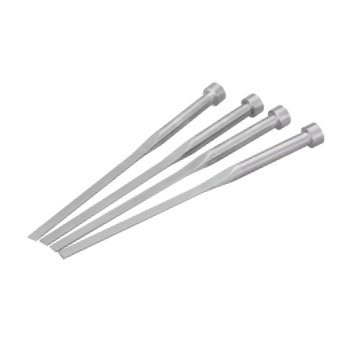
Their flat, thin-plate design is particularly suitable for ejecting narrow cavities, thin-walled parts, or irregularly shaped structures, providing effective ejection force within limited space.
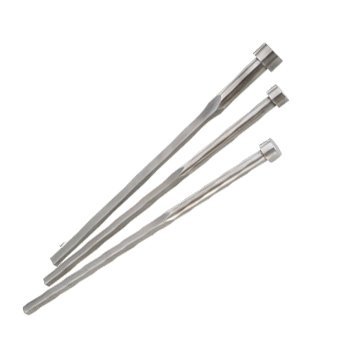
Their anti-rotation square cross-section design effectively prevents rotation during ejection, ensuring stable ejection direction, and is suitable for applications requiring high positioning accuracy.
The Advantage of The Ejector Pin in Injection Molding
High-precision ejector pins are designed for stable, efficient, and long-life ejection.

To ensure stable demolding and product quality, HTX places special emphasis on precise control during the ejection process, effectively preventing ejection whitening and deformation, and significantly improving yield.

Superior material properties and surface treatment processes give the ejector pins excellent wear resistance, making them particularly suitable for high-frequency, high-load ejection operations, extending their service life.

To address the common issue of surface scratches during ejection, we have effectively reduced the coefficient of friction between the ejector pin and the cavity through optimized structural design and tolerance adjustments.

Strict control of dimensional accuracy ensures consistent ejection action across all cavities, making it especially suitable for multi-cavity precision molds, ensuring consistency and stability in mass production.
Solution of HTX Ejector Pins in Injection Molding
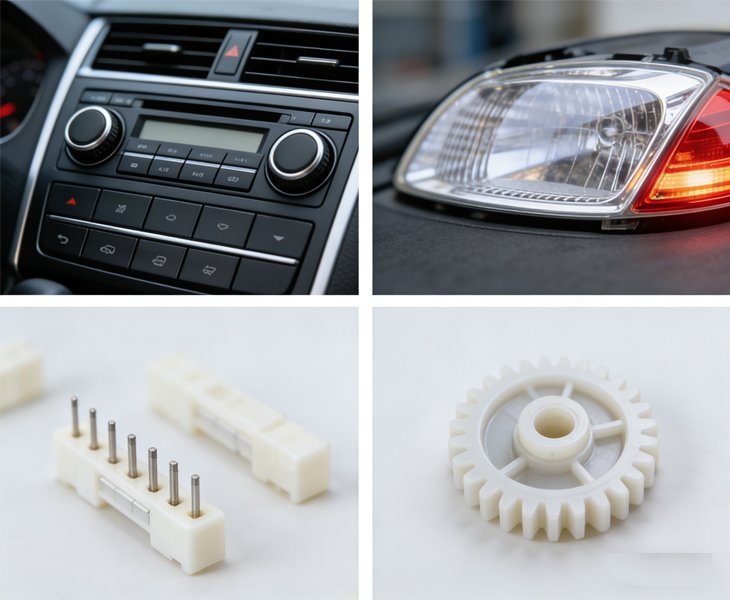
Based on the actual operating requirements of injection molds, HTX consistently adheres to high standards of process control in ejector pin manufacturing. We not only scientifically select materials such as SKD61 and stainless steel as base materials, but also offer surface strengthening treatments such as nitriding to improve the wear resistance and service life of the ejector pins, catering to different application needs. Simultaneously, we strictly control the straightness and surface condition of the ejector pins to ensure smooth and reliable operation in the mold and support stable batch delivery of high-precision, multi-specification products. Therefore, HTX ejector pins have been widely used in the production of automotive plastic parts, electronic connectors, and various industrial plastic products.
The Surface Treatment and Material
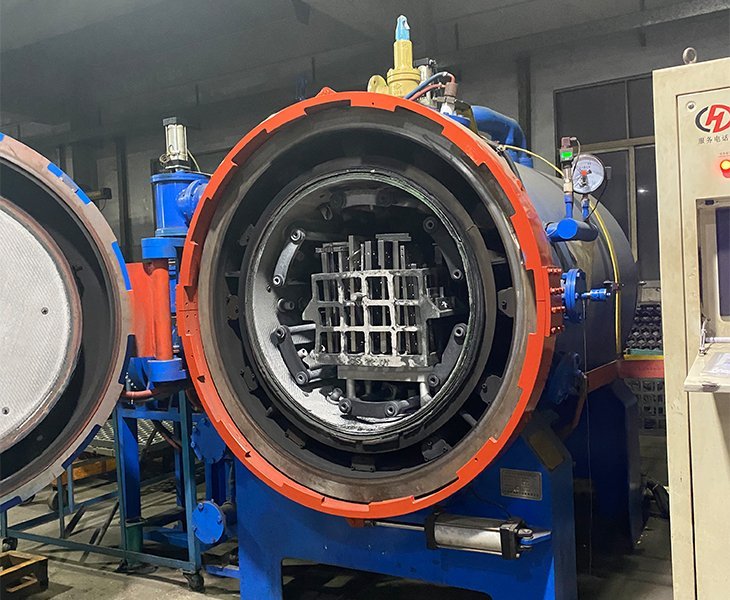
In selecting ejector pins for injection molds, both material and surface treatment are equally important. SKD61 ejector pins are suitable for high-load and high-temperature injection molding environments; nitrided ejector pins are better suited for high-frequency production and high-wear conditions; while stainless steel ejector pins effectively meet the requirements for rust and corrosion prevention. In practice, a comprehensive evaluation should be conducted, taking into account factors such as product structure, plastic type, and production cycle time.
It is usually due to improper material selection, uneven ejection force, or wear on the pin surface.
Yes, you can. If you are a distributor, please contact our sales manager for a price list.
We support customization of ejector pins with different structures and sizes based on drawings. Materials can also be selected as needed.